


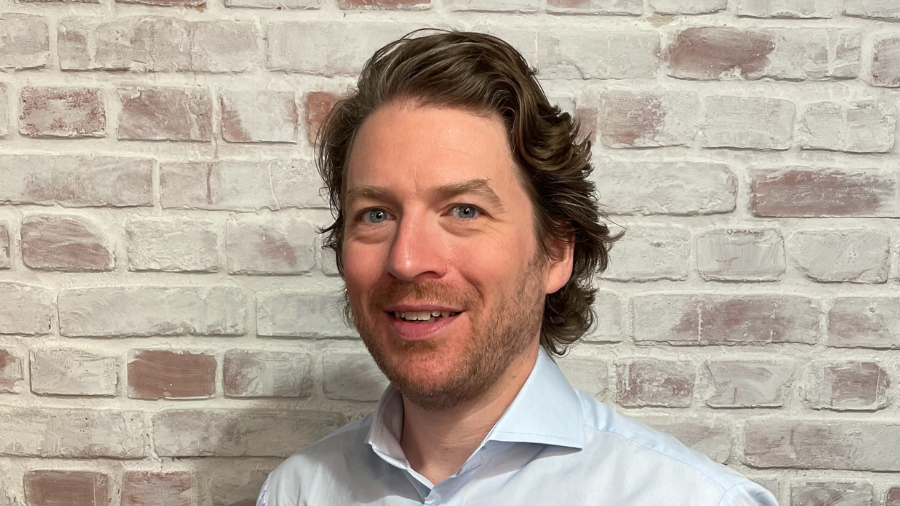

The pandemic has shown that organisations can trust their people to be productive wherever they are, says Nick Hedderman, Director, Modern Work Business Group”
Whether it’s battling to stay on top of emails, rushing to meetings or hitting deadlines, staff feel the pressure when it comes to tackling their to-do list.
For those workers who have been working remotely, the lack of commute and fewer distractions has helped with productivity not just at work, but at home too.
However, with research suggesting that “Productivity Anxiety” is on the rise – with 42% of us feeling like we are falling short, worried that we’re not able to do, be, or achieve enough – HR leaders are examining how best to support staff and manage what could become a concern.
 |
Get our essential weekday HR news and updates.
|

The issue would appear to be increasing since the easing of COVID-19 restrictions, as many people feel less able to keep on top of their workload and avoid distraction.
How to help staff lower productivity anxiety:
One area to examine is how staff are fuelling themselves and achieving productivity boosts.
In a car, you can reliably expect the same performance no matter the brand of petrol in your tank – but us humans are a little more complex.
Many factors impact our cognitive performance. We know from research that the back-to-back meetings that have become the norm for many workers in the past 18 months are unsustainable, build stress and decrease your ability to focus, for example.
This would suggest that simply draining another cup of coffee or seeking a sugar rush isn’t the solution to productivity anxiety. It doesn’t address broader worker habits that are truly impacting how a working day is run – and how workloads are managed.
Organisations must take a look at ways of creating and sharing insights into personal flows of work, helping people build better working habits and prioritise their wellbeing.
How do you prioritise staff wellbeing?
Start by building actionable insights into personal flows of work.
Use tools to identify what information people need and make it easier to find. If groups of staff need regular information or resources, provide simpler access to it. If everything an employee needs is readily available, it can speed up tasks, big or small.
To aid mental wellbeing, use technology to build in breaks people might not otherwise take.
This could be introducing shorter meetings with a buffer zone between the next, reminders of the end of the working day or building in time in calendars for focused work.
By using technology in a way that supports workers, automatically building in personal work insights and breaks for wellbeing, work experiences can be improved. We perform better when we feel at our best.
Hybrid working environments
The nature of work has ultimately changed as hybrid environments become more prevalent.
Organisations that embrace a true hybrid work strategy – reinventing the way work is done digitally, while respecting the best of how we used to work – will create competitive advantage for many years to come. Simply put: digital first, together with purpose.
With this comes new needs from staff; making sure that people can be productive and engaged whether they’re in the office or elsewhere. We need to identify what works best for individuals if we’re to support their productivity.
Before scheduling a video call, pause and ask yourself: do we really need a meeting on this issue? More dynamic, creative, or emotional topics may require a meeting, while status check ins and informational subjects may benefit from an email.
Team check-ins that aren’t always work related also provide an opportunity for informal, authentic interactions that can boost both employee wellbeing and their productivity.
Leadership and culture is a vital driver to make this a success; individuals may require a mindset shift to view breaks from their desk as an essential part of the workday.
The role of managers is even more important in hybrid working environments. Whether it’s modelling best practice or making sure meetings are accessible to those who are remote, team leaders have a role to play.
Better cared for staff equals better productivity
Strategies to support the wellbeing of staff – in turn boosting productivity – shouldn’t be driven by the HR department alone. The strategy and plan to embed collaboration and culture across multiple locations has to come from the C-suite; you cannot delegate the future of work strategy.
Many of the possibilities presented by a hybrid environment will require teams to properly integrate and allow for asynchronous working.
This is all about moving past mourning the loss of water cooler catch-ups, and embracing a workplace where every individual can share their thoughts at a time that best suits them, delivered through a culture of openness.
Working in this way can eliminate the increases in productivity anxiety that we have seen, while also supporting everyone to contribute their best work and ideas, when they’re feeling their best, while managing work around their personal lives.
We have an opportunity to support worker productivity through a huge array of means.
We’re not just thinking of the coffee run as delivering a quick hit of energy to get people through the afternoon – it’s the social interaction that comes with it that achieves this.
We know a 15-minute break away from the desk can reduce stress and improve focus – helping people prepare for the next meeting or deadline.
In a changing world of work, we must look at the solutions available that give people the break they need, the information that helps their job and the ease of communication to speak with their colleagues, whether they’re face-to-face or fully remote.
Nick Hedderman leads the Modern Work business at Microsoft UK. His team are focused on inspiring the UK market to love, trust and use the world’s leading productivity tools; transforming how everyone works.


Nick leads the Modern Work business at Microsoft UK. His team are focussed on inspiring the UK market to love, trust and use the world’s leading productivity tools; transforming how everyone works.


