
Tokenism in the workplace relates to when an organisation’s attitude towards diversity, equity and inclusion (DEI) are superficial.
It exists where on the surface things appear to be very good, suggesting diversity is embedded within the culture and working life, but upon closer inspection, things are markedly different. This can occur among the most well-meaning employers and is rarely intentional. However, tokenism can be very damaging to individuals’ wellbeing and an organisation’s reputation. Here we look at how tokenism can occur, how to address it and how to avoid it in the future.
What does tokenism look like?
If employees from underrepresented groups are seen but not heard, their employer may look diverse from the outside but is far from inclusive on the inside.
In tokenism, just as we see people recruited for appearances’ sake, we also see token actions taken by organisations. Celebrating specific days, weeks or months is all well and good but if that is all that’s being done, then it is no more than a vacuous, self-congratulatory flag-waving exercise. It may tick a box, but is totally without meaning or value.
 |
Get our essential weekday HR news and updates.
|

How does tokenism occur?
Tokenism occurs when there is minimal effort (sometimes unwittingly) to include underrepresented people in the conversations which make a difference. This is often the case when DEI isn’t evident or vocal enough within the leadership of the organisation. It is entirely possible that the leadership thinks it’s doing ‘enough’: they just don’t ‘get it’ so are unable to do it properly. If an organisation’s leadership board isn’t diverse, they will find it very difficult to see how or why they must change the organisation’s culture and their own ways.
What are the dangers of tokenism?
First and foremost, tokenism is self-perpetuating so organisations must get a handle on it as soon as possible. Considering it relates to both individuals’ wellbeing and an employer’s reputation, the dangers of tokenism are pretty clear. If employees feel that they are in place simply for appearances’ sake and that their voice isn’t heard or their opinion considered, they will quickly become dissatisfied. Where is the opportunity for their advancement? It is patronising and demoralising as well as being divisive.
An organisation will be unable to move forward as the lack of inclusivity will be embedded and the inequality within will be destined to keep repeating itself. And this will lead to harming the organisation’s reputation as well as harming the working bond between employees.
How to spot tokenism:
Appearance
- When you have people from underrepresented groups in jobs where they’re not in a position to make decisions or shape policy.
- When you have too few people from a diverse background, the organisation is failing to address inclusion and equity.
- Misleading marketing where diversity is seen within the branding and presentation of the organisation but is notable for its absence in the actual day-to-day working.
Lack of Pathways
- Where employees from underrepresented groups do not gain promotion and are not part of the leadership of the organisation.
No Measurable Outcomes
- Where an organisation has policies and procedures in place, but these are neither followed nor reviewed. The only way to really evaluate how diverse an organisation is, is to establish metrics, track data and take action where needed.
How to tackle tokenism
If you can identify tokensim in your organisation or you want to avoid it occurring, here are some ways to address the situation:
- Look at the Top: Leaders must be educated and fully understand what tokenism is and how to spot it. Engage in training for senior leaders and HR teams so they are fully aware and alert to the risk of tokenism.
- Inclusion and Equity: Ensure your diverse colleagues are included in conversations, meetings, decision making and culture development. Don’t just give them a seat at the table: let them speak and act on their advice.
- Have and USE policies and procedures: ensure your policies and workplace procedures cover inclusion and equity. Share with all colleagues and include in your onboarding process for ALL staff.
- Track your progress: gather data anonymously to understand how well – or not – your organisation is doing. Don’t be downhearted if DEI isn’t doing well: acknowledge this, engage in training and advice from experts and commit to improving your culture. Track your progress regularly to enable patterns and changes within the workplace to be accurately gathered.
- Listen – then act: The Senior Leadership Team must listen to what they are being told by colleagues directly or by the data / employee questionnaires. And then act to bring improvements.
- Open Career Pathways: ensure you really do offer equal opportunities for professional development and don’t be afraid to revisit your internal career pathways.
- Make way for mentors: allies and mentors allow people from underrepresented groups not only to progress but also ensure their voice is heard and they have the chance to influence decisions the organisation is making. This is so important as it consciously tackles a key danger of tokenism – whereby someone is given a job to ‘look right’ but doesn’t have the experience or support to excel in their role.
An inclusive company is all the richer for having an inclusive culture. So many opportunities arise when diverse individuals bring their view, voice, culture and creativity to their role.
An inclusive culture starts with diversity but it is inclusion that leads to equity. Without this, diverse appointments are simply token gestures.


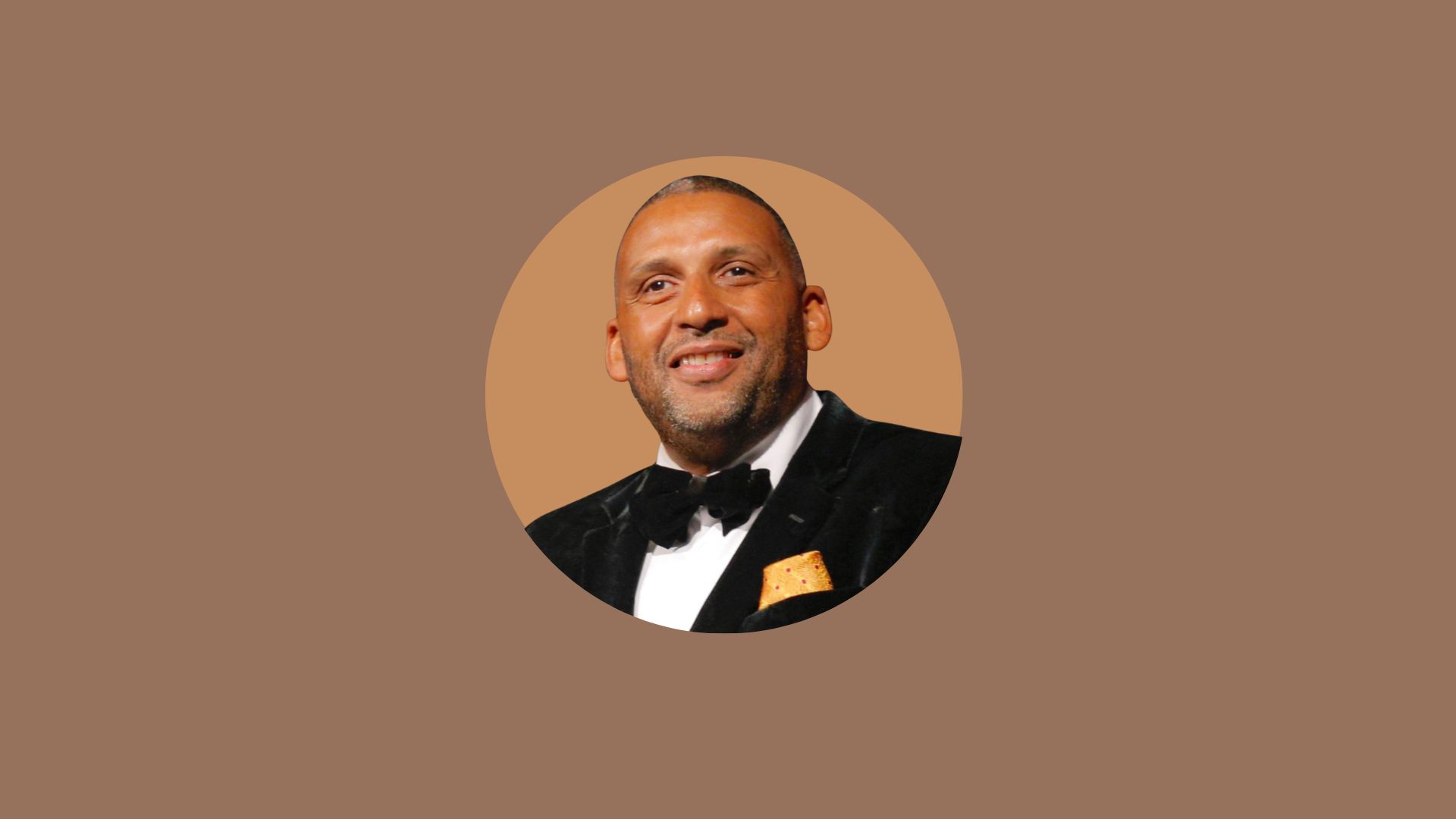
Paul Sesay is the Founder and CEO of Inclusive Companies, the National Diversity Awards, the Inclusive Top 50 UK Employers List, Inclusive Awards and D&I recruitment company Precedent Group. Paul’s business acumen has mainly been with a social focus. With over 18 years’ experience, Paul is a leading figure across the Diversity, Equality and Inclusion sector, having worked with some of the largest organisations in the world on their D&I profiles.
Passionate about inclusion, Paul works holistically with diverse communities across the UK, encouraging and supporting individuals and groups from various backgrounds to achieve, empowering disadvantaged groups across the nation.
- Paul Sesay