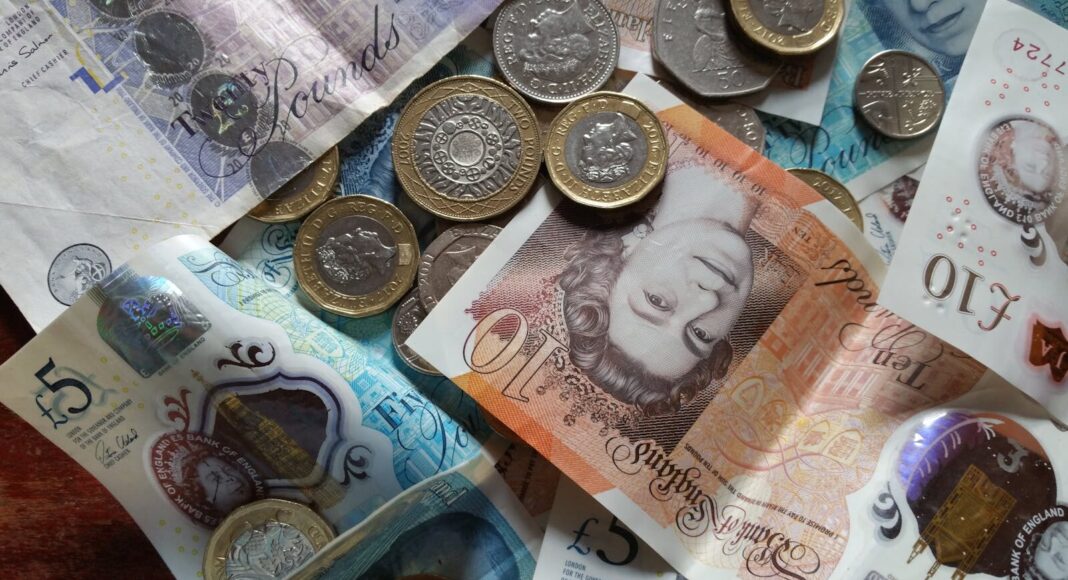

Hundreds of firms across sectors ranging from childcare to healthcare have been named and fined after failing to pay staff the legal minimum wage, with around 60,000 workers left out of pocket by more than £7.3 million.
The latest enforcement round shows 389 employers underpaid workers, triggering £12.6 million in financial penalties on top of the wages they were ordered to repay.
Among the worst offenders were ISS Mediclean Limited, which failed to pay £1.5 million to more than 6,500 workers, and ISS Facility Services Limited, which underpaid £754,760 to over 5,000 staff.
Large consumer-facing employers also featured prominently. Busy Bees Nurseries Limited underpaid more than £485,000 to over 9,000 workers, while Bupa Care Services Limited owed more than £441,000 to nearly 9,000 staff.
 |
Get our essential weekday HR news and updates.
|

Travel and retail firms were also caught up, including Hays Travel Limited, which failed to pay £364,103 to more than 2,400 employees, and Costa Limited, which underpaid nearly £150,000.
Food manufacturer Hovis Limited and football club Norwich City Football Club were also named among businesses breaching minimum wage rules.
Government steps up enforcement
The crackdown has been led by the Department for Business and Trade alongside HM Revenue and Customs, which is responsible for enforcing minimum wage laws.
Business Secretary Peter Kyle said most employers comply but warned that those who do not would face consequences. “The vast majority of businesses in this country do the right thing by paying their staff properly and playing by the rules. It’s not fair on them when others are able to get ahead by not paying the wages their workers are owed.”
He added that stronger enforcement powers would soon follow.
“A good employer doesn’t build their business on the back of unpaid wages, and I look forward to working with the new Fair Work Agency to ensure its powers are used to crack down on those who think the rules don’t apply to them.”
Employment Rights Minister Kate Dearden said it was about ensuring fairness. “Nobody should finish a week’s work and find they’ve been paid less than they’ve earned. I believe in a fair day’s pay for a fair day’s work.”
She added: “That’s why we’re cracking down on employers who underpay. We’re making sure workers get the hard-earned pay they deserve. I encourage every employer to check their payroll to ensure they don’t get caught out.”
Complex rules catching employers out
Legal experts say many breaches are not deliberate but stem from the complexity of minimum wage regulations.
Jasmin Sandhu, a solicitor at Bristol-based law firm Birketts LLP, said the number of employers involved showed how widespread the issue is. “The government’s latest release of named employers is a timely reminder of how easily technical errors can lead to underpayment and a breach of the National Minimum Wage requirements,” she told HRreview.
She said even large organisations could make mistakes. “Nearly 400 employers, including some very high-profile brands, have been issued with significant penalties. This shows how easy it is, even for very well-resourced businesses, to fall foul of what are very complex rules concerning payment of the national minimum wage.”
Common pitfalls include failing to pay for training time, making deductions for uniforms, misapplying apprentice rates and not updating pay when workers move into higher age brackets.
New risks as pay rates rise
The timing of the enforcement action is significant, with new minimum wage rates due to come into force in April.
Sandhu said payroll updates presented a key risk point. “From 1 April 2026, new minimum wage rates will apply and HMRC data shows that simple failures to update rates on time remain a recurring cause of underpayment, particularly for younger workers and casual staff.”
She urged employers to take action ahead of the changes. “Employers should use the opportunity when updating pay in line with the new rates to ensure that they are fully compliant with the rules.”
New watchdog set to tighten scrutiny
The latest naming round comes ahead of the launch of the Fair Work Agency, a new enforcement body that will bring together oversight of minimum wage, holiday pay and sick pay under one system.
Sandhu said this would increase pressure on employers to get compliance right.
“With more frequent ‘naming and shaming’ of non-compliant organisations and the forthcoming Fair Work Agency expected to strengthen enforcement, employers should prioritise regular compliance checks and ensure clear guidance is issued to managers to reduce the risk of technical breaches arising.”


William Furney is a Managing Editor at Black and White Trading Ltd based in Kingston upon Hull, UK. He is a prolific author and contributor at Workplace Wellbeing Professional, with over 127 published posts covering HR, employee engagement, and workplace wellbeing topics. His writing focuses on contemporary employment issues including pension schemes, employee health, financial struggles affecting workers, and broader workplace trends.
- William Furney

- William Furney

- William Furney

- William Furney