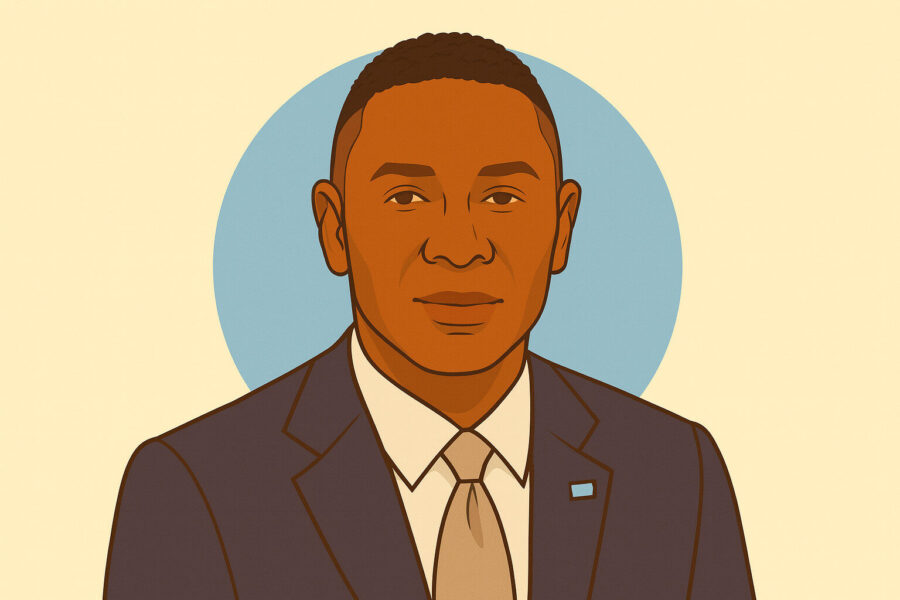

“We’ve naturally become more conservative in our hiring.”
Context
Johnny C. Taylor Jr., president and CEO of the Society for Human Resource Management (SHRM), recently highlighted a growing concern among employers about the impact of artificial intelligence (AI) on recruitment strategies.
“We’ve naturally become more conservative in our hiring, so if there’s anything on the horizon that suggests that we may not need those people, we don’t hire them,” he said. His comment reflects a broader trend as organisations grapple with the implications of rapidly evolving technology and the uncertainty it creates in workforce planning.
Taylor pointed to concerns that the rise of generative AI is prompting some companies to put recruitment on hold until they understand how automation will affect future roles.
 |
Get our essential weekday HR news and updates.
|

Meaning
Taylor’s words signal that HR leaders are treading cautiously in an era where job design and talent needs are being reshaped by AI. Rather than rushing to fill vacancies, organisations appear to be pausing to evaluate whether roles will remain necessary, evolve significantly or become obsolete in the near term.
Observers say the hesitation reflects both a practical and psychological shift: companies are not only anticipating structural changes but are also wary of making poor hiring decisions amid unpredictable technological change.
Implications
Taylor’s perspective underscores an urgent need for workforce strategies that are agile and future-focused. HR professionals must guide organisations through a period of disruption by investing in skills forecasting, reskilling programmes and AI literacy. Waiting too long to hire could risk talent shortages, but hiring without a clear understanding of emerging needs could prove equally costly.
For job seekers, it means adapting to a landscape where agility and upskilling are key differentiators. For policymakers and educators, Taylor’s warning may prompt further reflection on how education and training systems can support the workforce of tomorrow.


William Furney is a Managing Editor at Black and White Trading Ltd based in Kingston upon Hull, UK. He is a prolific author and contributor at Workplace Wellbeing Professional, with over 127 published posts covering HR, employee engagement, and workplace wellbeing topics. His writing focuses on contemporary employment issues including pension schemes, employee health, financial struggles affecting workers, and broader workplace trends.
- William Furney

- William Furney

- William Furney

- William Furney