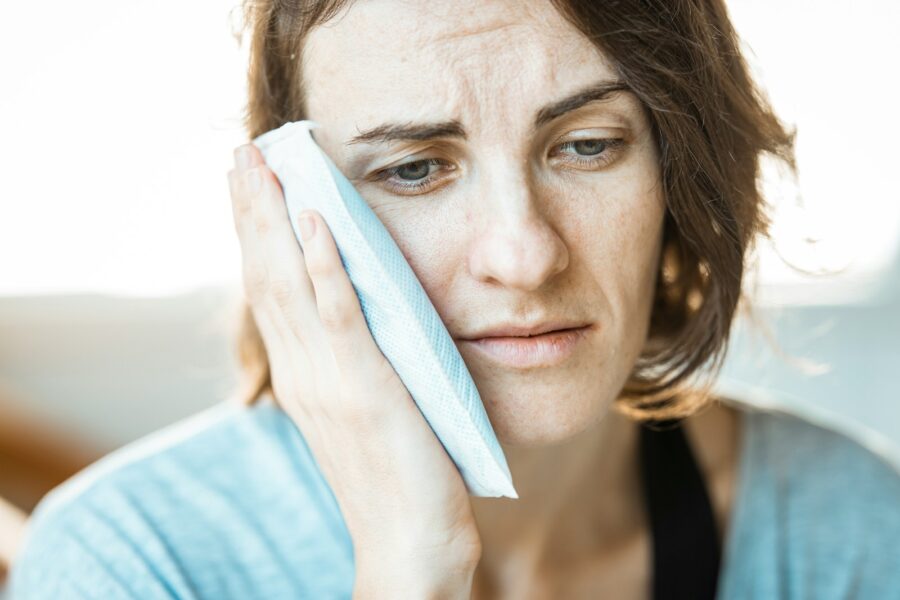

Nurofen’s third Gender Pain Gap Index Report highlights the ongoing issue of women’s pain being dismissed in various settings, including the workplace, and its significant impact on their careers.
The report, conducted by Toluna in May 2024, surveyed 5,072 UK adults from diverse backgrounds. Among the participants, 49% were men, 50% were women, and 1% identified as nonbinary or with alternative genders. The research shows that pain dismissal is not only prevalent, but it affects women disproportionately compared to men.
The study revealed that, despite efforts to address this issue, the gender pain gap persists. An alarming 62% of women in 2024 felt their pain had been dismissed or ignored, a 13% increase from 2023. In contrast, 60% of men reported similar experiences in 2024, a rise from 38% in the previous year. The report highlights that younger women, in particular, experience higher rates of pain dismissal, with four out of five women aged 18 to 24 reporting that their pain had been ignored.
A large number of women (42%) going through menopause reported that their related pain had been dismissed by healthcare professionals. In addition, one in six women had to wait more than a year for a diagnosis of menopause-related pain. This delay in diagnosis can severely affect their performance and wellbeing in the workplace, as they may struggle to manage symptoms while continuing their professional responsibilities.
 |
Get our essential weekday HR news and updates.
|

Workplace Impact of Pain Dismissal on Women
The report points out that women’s pain dismissal is not limited to healthcare settings but extends into their professional lives as well. One in five women surveyed felt that their career had been negatively impacted due to their pain being ignored. For women, particularly those dealing with conditions like menstrual pain or menopause-related symptoms, the workplace often becomes a challenging environment where their pain is not taken seriously.
One in ten women said their pain was first dismissed between the ages of 10 and 15, and a third of women who had their pain dismissed were under 21. For women over the age of 45, the trend continues, with 56% reporting that their pain was ignored, compared to 49% of men in the same age group.
Janet Lindsey, CEO, Wellbeing of Women, commented, “To learn that the gender pain gap starts affecting women from as young as ten years old is quite alarming. Especially as this turns into a lifelong impression for women that their pain doesn’t matter, or that women and men have different pain thresholds.
“When it leads to women avoiding seeking help for their pain, or when it’s affecting their lives and careers, it’s clear we need change. Everyone’s pain should matter, regardless of what it is or where it is felt, their age, or their gender. Women should feel as confident as men that they can speak about their pain and not only be taken seriously but get a diagnosis, and the most appropriate treatment.”
Mental Health and Career Consequences
The emotional toll of pain dismissal is another key finding of the report. One in three women felt that their mental health had been affected by their pain being dismissed, an increase from a quarter in the previous year. Many women reported feeling gaslit by healthcare professionals, with 25% stating that they began to question the seriousness of their pain after it was dismissed. This lack of validation has not only led to deteriorating physical health but also caused psychological distress for many women.
A further concern highlighted by the report is that women often feel unsupported by healthcare professionals when it comes to addressing their pain. A third of respondents agreed that healthcare professionals should receive more training on the different types of pain men and women experience. Another 30% called for increased training to ensure that gender bias does not affect medical judgment.
Clare Knox, CEO and founder of See Her Thrive, commented, “We can see from the data in this report, and through our own activity, that once a woman’s pain is dismissed, they’re less likely to declare this at work. That means less support and fewer resources that can help create a more equitable workplace, whether that’s in the office,or a service industry; the factory floor or on the road.
“But self-advocacy is only half the battle.How can we work with business, government and the wider public to create a society that empowers women to ask for the help and support they need.”


Alessandra Pacelli is a journalist and author covering human resources and employment topics. She contributes regularly to HRreview, where she reports on labour market trends, employment costs, flexible working policies, HR wellbeing, and AI adoption in HR. Her work focuses on analysing industry research and policy insights relevant to HR professionals and organisational leaders.
- Alessandra Pacelli

- Alessandra Pacelli

- Alessandra Pacelli

- Alessandra Pacelli