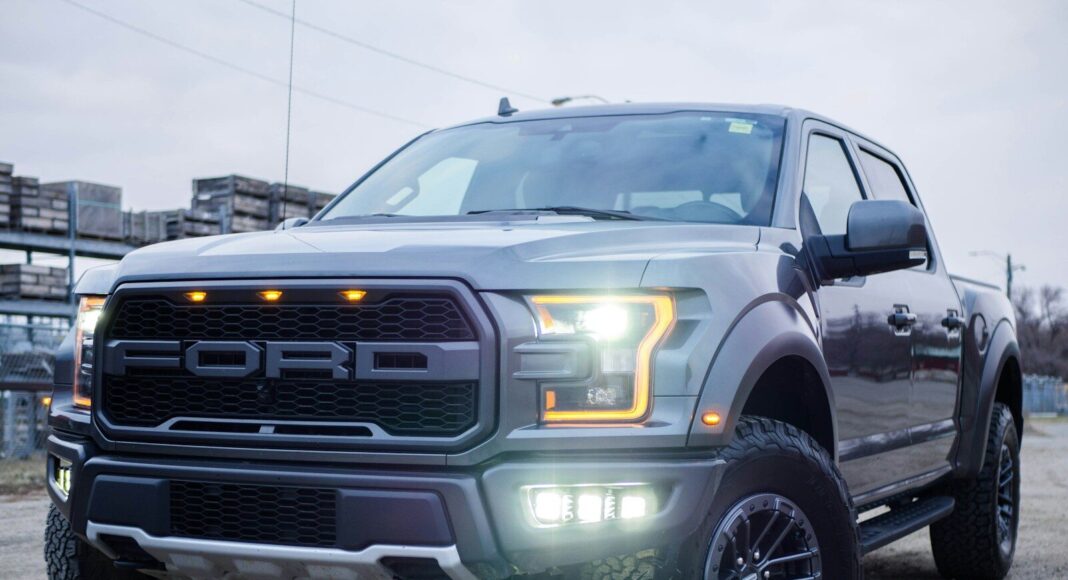

Ford has rehired 350 experienced engineers after concluding that artificial intelligence alone could not deliver the quality improvements it expected, in a move that reinforces the continuing value of human expertise as employers increasingly invest in AI.
The US carmaker brought the veteran engineers back over the past three years after automated quality systems failed to match the judgement and experience of long-serving specialists. Many of those recruited are former Ford employees, while others joined from suppliers.
The engineers have since played a central role in improving vehicle quality, helping Ford climb from 10th place to become the highest-ranked mainstream manufacturer in the latest JD Power Initial Quality Study, an annual industry benchmark measuring problems reported during the first 90 days of vehicle ownership.
Charles Poon, Ford’s vice president of vehicle hardware engineering, said the company had underestimated the importance of experienced employees when introducing AI.
 |
Get our essential weekday HR news and updates.
|

“Artificial intelligence is a fantastic tool, but it’s only as good as the information you use to train it,” Poon told reporters.
“Over prior years, we didn’t pay as much attention as we should have to the experience of our most knowledgeable engineers that have been with us through many product cycles.”
Veteran engineers help retrain AI
Ford had steadily expanded its use of AI across manufacturing, including introducing hundreds of AI-powered cameras to identify quality issues and using machine learning to detect faults before vehicles reached customers.
However, executives acknowledged the technology had failed to produce the improvements they had expected.
“We had been relying more and more on automated quality systems” and were “not getting the desired results”, chief operating officer Kumar Galhotra said.
Instead of reducing its reliance on people, Ford reversed course by bringing back experienced engineers to strengthen both its workforce and its AI systems.
The returning specialists now lead mandatory quality review meetings, mentor younger engineers and identify potential failure points before components reach the production line. They have also helped reprogramme Ford’s AI tools using knowledge built up over decades of vehicle design and manufacturing.
Poon said the company had “mistakenly” believed that feeding design requirements into AI systems would be enough to produce high-quality vehicles.
“We recognized that for us to enhance some of our automation and machine learning and artificial intelligence tools we needed to ensure that they were trained by the most experienced individuals,” he said.
The renewed focus on engineering expertise has helped Ford’s F-150, Super Duty and Mustang achieve the highest quality rankings in their respective vehicle categories.
Lessons for employers
Ford’s experience runs counter to predictions that AI will rapidly replace large numbers of knowledge workers. Instead, it suggests organisations may achieve better results by combining AI with experienced employees whose judgement and institutional knowledge cannot easily be replicated.
The move is particularly notable because Ford has previously been among the companies making bold predictions about AI’s impact on employment. Last year, chief executive Jim Farley said artificial intelligence would replace “literally half” of white-collar workers in the US, reflecting wider expectations that the technology would reshape professional work.
Those comments came as many major employers accelerated investment in AI while reducing headcount. Companies including Microsoft, Meta, Amazon, Google and Salesforce have announced tens of thousands of job cuts in recent years as they seek to streamline operations and redirect spending towards artificial intelligence and other strategic priorities.
Ford’s latest experience presents a more nuanced picture. Rather than replacing experienced employees, the company found it needed to bring many of them back to improve quality, train younger colleagues and make its AI systems more effective.
While Ford continues to expand its use of artificial intelligence, the company says its turnaround demonstrates that successful AI adoption depends not only on technology but also on retaining the people whose expertise enables those systems to perform at their best.


William Furney is a Managing Editor at Black and White Trading Ltd based in Kingston upon Hull, UK. He is a prolific author and contributor at Workplace Wellbeing Professional, with over 127 published posts covering HR, employee engagement, and workplace wellbeing topics. His writing focuses on contemporary employment issues including pension schemes, employee health, financial struggles affecting workers, and broader workplace trends.
- William Furney

- William Furney

- William Furney

- William Furney