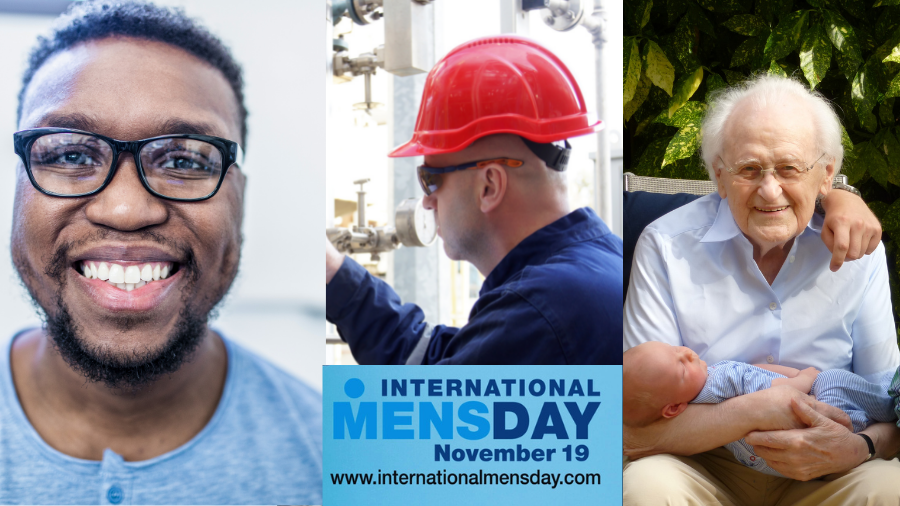

One man in five dies before he reaches 65 in the UK according to the charity Men’s Health Forum.
The research comes on International Men’s Day today and also found 75 percent of premature deaths from heart disease are male. 67 percent of men are also overweight or obese and four out of five suicides are male.
Movember, the campaign behind Men’s Health Awareness Month, says the three biggest threats to men’s health are suicide, prostate cancer and testicular cancer.
Testicular cancer is the number one cancer amongst young men. When caught early, testicular cancer is highly treatable and highly curable. The survival rate in the UK is 95 percent. However, men are reluctant to get checked or talk about it.
 |
Get our essential weekday HR news and updates.
|

Pandemic caused worse mental health in men
45 percent of men say their mental health worsened over the course of the pandemic, while almost 60 percent of men say they are worried talking about mental health, as it could stop their career progression.
Jamie Mackenzie is Director at an employee perks company called Sodexo Engage. He said it is an employers’ responsibility to ensure staff are doing well: “It is crucial employers remind staff to take breaks away from the screen and promote positive mental, physical, and digital wellbeing and overall good health.”
What is the solution?
This year the theme for 2021 according to the International Men’s Day website is “Better relations between men and women”.
The site wants to highlight that 1 in 3 men have been the victims of domestic violence and on average, men die 4-5 years before women.
It also wants to create resources for women and children to see men as a safe space. It quotes social science research, which shows that when fathers are supportive and caring towards their children, they grow up to be much happier and secure individuals.
Mark Fosh is from Howden, which advises on employee wellbeing. He said:“Looking at these statistics we can see just how important it is for businesses to focus on men’s health. Men are generally less likely than women to acknowledge illness or to seek help when sick. But it doesn’t have to be that way: we can all take action to live healthier, happier, and longer lives.”
The five tips for good mental and physical health for men from the Movember team is:
- Spend time with people who make you feel good
- Talk more and listen to those who need an ear
- Know your numbers. If you’re Afro-Carribean, speak to your doctor about prostate cancer from 45. Otherwise, talk to your doctor when you’re 50.
- Know your nuts – check testicles regularly and get them seen if they don’t feel right.
- Move more. Take a walking meeting, cycle to work, get off the bus a few stops earlier.


Feyaza Khan has been a journalist for more than 20 years in print and broadcast. Her special interests include neurodiversity in the workplace, tech, diversity, trauma and wellbeing.
- Feyaza Khan

- Feyaza Khan

- Feyaza Khan

- Feyaza Khan