Can employers help employees build good savings habits?

-

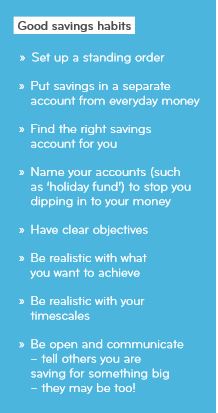
Creating a savings buffer means putting money aside regularly.

However, a survey from from leading Financial Wellbeing Provider, Neyber, shows that nearly a fifth of employees (18 per cent) are not saving anything at all each month.
For those earning between £10,000 and £19,999, that figure is far higher, at 26 per cent.

As the primary source of income, employers are in a great position to reinforce the importance of regular saving, through financial education and providing support to help employees choose the right products for their needs.

Get our essential weekday HR news and updates.

This field is for validation purposes and should be left unchanged.
Keep up with the latest in HR...
This field is hidden when viewing the form
Optin_date
This field is hidden when viewing the form


Employers spend a considerable amount of money providing benefits for their employees, often these include protection and savings products as well as voluntary benefits such as discount and employee purchase schemes.

It’s vital that employees understand and recognise the value of these benefits. Clear communication and easy access for employees play a huge part in achieving engagement, as well as ensuring information and guidance to build knowledge. This allows employees to make smart, well informed decisions about what is right for them and their loved ones.


Neyber’s full report – the DNA of financial wellbeing – can be found here.

www.neyber.co.uk

Rebecca joined the HRreview editorial team in January 2016. After graduating from the University of Sheffield Hallam in 2013 with a BA in English Literature, Rebecca has spent five years working in print and online journalism in Manchester and London. In the past she has been part of the editorial teams at Sleeper and Dezeen and has founded her own arts collective.

Latest news

Personalising the Benefits Experience: Why Employees Need More Than Just Information

This article explores how organisations can move beyond passive, one-size-fits-all communication to deliver relevant, timely, and simplified benefits experiences that reflect employee needs and life stages.

Grant Wyatt: When the love dies – when staying is riskier than quitting

When people fall out of love with their employer, or feel their employer has fallen out of love with them, what follows is rarely a clean exit.

£30bn pension savings window opens for employers ahead of 2029 reforms

UK employers could unlock billions in National Insurance savings by expanding pension salary sacrifice schemes before new limits take effect in 2029.

Expat jobs ‘fail early as costs hit $79,000 per worker’

International assignments are ending early due to family strain, isolation and poor preparation, as rising costs increase pressure on employers.
- Advertisement -

The Great Employer Divide: What the evidence shows about employers that back parents and carers — and those that don’t

Understand the growing divide between organisations that effectively support working parents and carers — and those that don’t. This session shows how to turn employee experience data into a clear business case, linking care-related pressures to performance, retention and workforce stability.

Scott Mills exit puts spotlight on risk of ‘news vacuum’ in high-profile dismissals

Sudden departure of a long-serving BBC presenter raises questions about how employers manage high-profile dismissals and limit speculation.

Must read

Eleanor Rogers: Strike season and childcare – how to come out on top

The latest tube strike may have been called off,...

Supporting Migrant Workers

Adjusting the recruitment process to migrant workers, a case study by David Price, Director of Anglo-Polish. Anglo-Polish is one of the UK’s fastest growing recruitment companies, specialising in placing Polish workers into the construction and demolition sectors.
- Advertisement -

You might also likeRELATED
Recommended to you



