


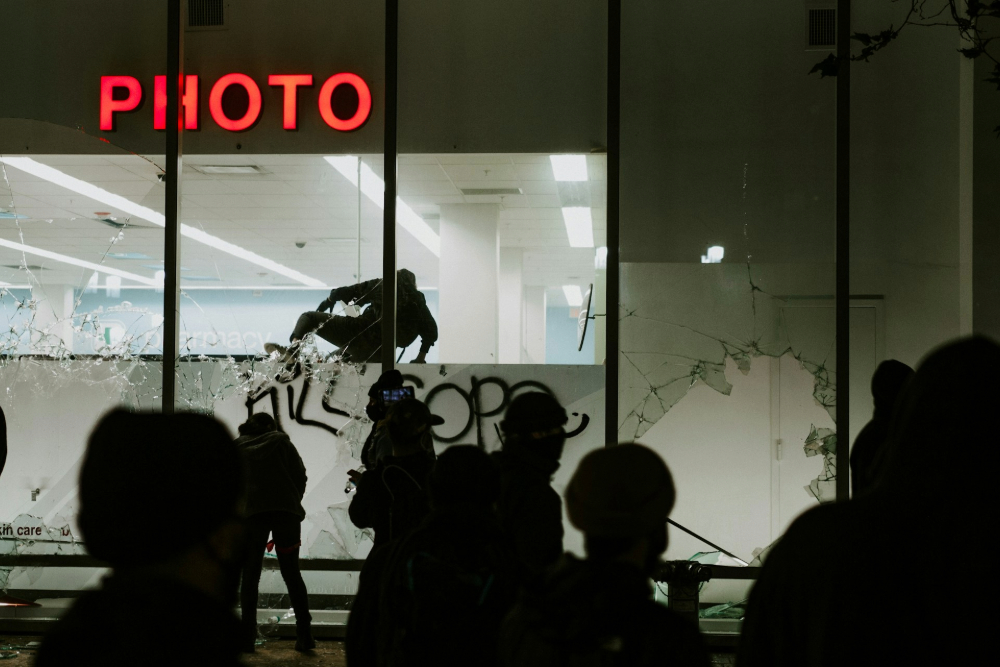

In the wake of last week’s tragic attack in Southport, where three children lost their lives and several others were injured, violent protests have erupted across the UK.
The unrest has led to hundreds of arrests, prompting calls for calm from community leaders and politicians. Amid this turmoil, businesses are grappling with significant challenges.
Kate Palmer, Employment Services Director at Peninsula, highlighted the multifaceted impact on businesses. “With the headlines and social media feeds full of violent imagery, this can be a distressing and unsettling time for many, businesses included,” she said. “Whether it’s wondering how to keep employees safe, or navigating discord in the workplace, there are many HR issues in play here.”
Several sectors are feeling the strain, especially hotels, shops, bars, restaurants, and emergency services. These businesses might face direct targeting by protesters, resulting in damage or loss, or have employees inadvertently or deliberately caught up in the riots.
 |
Get our essential weekday HR news and updates.
|

Navigating Safety and Operational Challenges
For businesses concerned about safety, Palmer advises reviewing contractual obligations with employees. “Employers have a duty of care to employees, which includes providing a safe place to work,” she noted. Temporary closures might necessitate temporary layoffs, unpaid leave, or annual leave while ensuring safety measures are in place.
Protests affecting employees’ commutes require flexible responses from employers. Possible adjustments include changing start or finish times, ensuring employees do not travel or work alone, and allowing temporary remote work.
“If a risk can be anticipated, then employers need to take all reasonable steps to reduce or remove that risk,” Palmer emphasised. Recommendations include:
- Adjusting working hours or locations to avoid hotspots of unrest.
- Securing premises and arranging remote meetings.
- Ensuring safe travel plans and providing information about safer routes.
- Offering emotional support through employee assistance programs.
Managing Workforce Dynamics and Legal Considerations
Handling employees arrested during the unrest presents additional complications. Palmer pointed out that unauthorised absences due to arrest require careful management, considering individual circumstances and the impact on the broader workforce and clients.
Employers must also address potential conflicts among employees with differing political views and support those affected by the violence. “Having a policy in place to set out the rules on acceptable behaviour in the workplace ensures that employees know what is expected when it comes to political talk,” Palmer advised.
The social unrest sweeping the UK is a stark reminder of the complex interplay between societal issues and business operations. As businesses navigate these turbulent times, prioritising safety, clear communication, and supportive measures for employees will be crucial in maintaining stability and resilience.


Amelia Brand is the Editor for HRreview, and host of the HR in Review podcast series. With a Master’s degree in Legal and Political Theory, her particular interests within HR include employment law, DE&I, and wellbeing within the workplace. Prior to working with HRreview, Amelia was Sub-Editor of a magazine, and Editor of the Environmental Justice Project at University College London, writing and overseeing articles into UCL’s weekly newsletter. Her previous academic work has focused on philosophy, politics and law, with a special focus on how artificial intelligence will feature in the future.
- Amelia Brand

- Amelia Brand

- Amelia Brand

- Amelia Brand



