


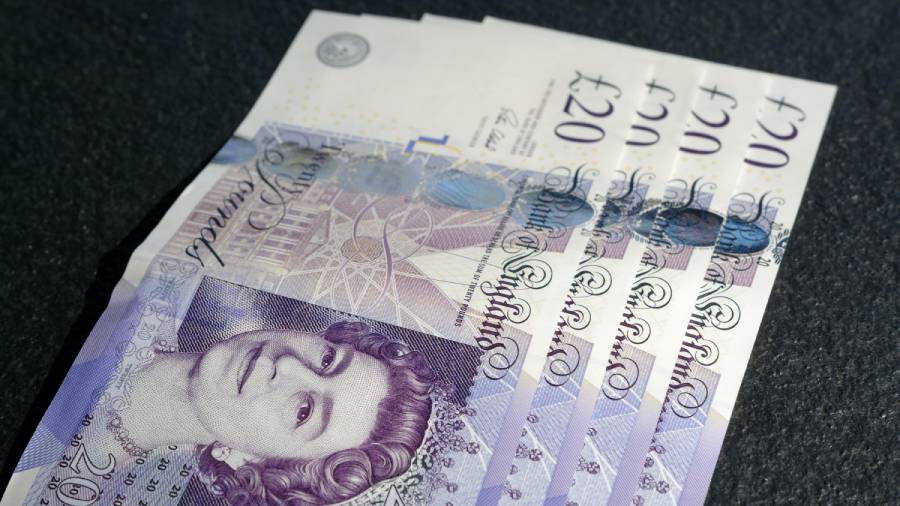

Latest research reveals that private-sector employers are predicting pay awards to rise to 2.5 per cent in the 12 months to the end of August 2022, up from the 1.6 per cent median award made in the previous year.
New research carried out by XpertHR shows momentum regarding the increase in pay awards is set to continue over the next 12 months as organisations recover from the pandemic.
Over four in five employers (84.8 per cent) expect to increase pay at their next annual review, with the remainder either unsure or expecting a pay freeze.
Furthermore, more than half (50.4 per cent) of employees are expected to receive a higher increase in pay than they did over the past year.
 |
Get our essential weekday HR news and updates.
|

If this does occur, pay awards will return to pre-pandemic levels seen in the two years before the pandemic struck.
The majority of the pay awards are set to fall between the lower quartile of 2 per cent and the upper quartile of 3 per cent with close to two-thirds of pay awards (64.9 per cent) falling within this range.
This indicates a marginal rise from current median pay awards which have been remaining stable at just 2 per cent for the last six consecutive rolling quarters.
Less than one in 10 pay awards are expected to be pay freezes by September 2022 (7.8 per cent), representing further recovery in this area if this prediction comes to fruition. This contrasts against current data which shows 8.3 per cent of pay awards are pay freezes.
Sheila Attwood, XpertHR pay and benefits editor, commented on these findings:
For much of the last year, organisations have continued to feel the impact of the coronavirus outbreak and pay awards have remained muted. However, many employers have reported that Covid-19 is likely to have less of an impact on their future pay plans, with pay awards predicted to increase to 2.5 per cent by September 2022.
Driving these increases will be a need to respond to the market, with recruitment and retention difficulties pushing wages higher. However, while many organisations also believe that some economic recovery will enable them to award higher increases at their annual pay review, others are still concerned about business volumes and are likely to remain cautious.
*XpertHR’s pay forecast survey is based on responses from 200 private-sector organisations. The research was conducted in August and September 2021.


Monica Sharma is an English Literature graduate from the University of Warwick. As Editor for HRreview, her particular interests in HR include issues concerning diversity, employment law and wellbeing in the workplace. Alongside this, she has written for student publications in both England and Canada. Monica has also presented her academic work concerning the relationship between legal systems, sexual harassment and racism at a university conference at the University of Western Ontario, Canada.
- Monica Sharma

- Monica Sharma

- Monica Sharma

- Monica Sharma



