


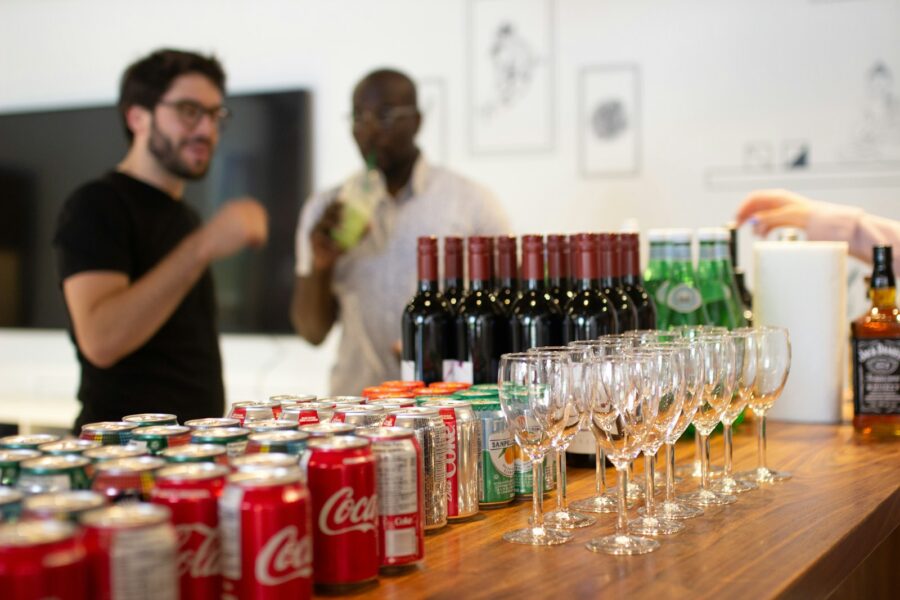

New research reports a shift in attitudes towards traditional office Christmas parties, with almost a quarter (23%) of UK office workers planning to skip the event this year.
The findings, commissioned by team building and corporate events company Team Tactics, suggest strained workplace relationships and discomfort with alcohol-fuelled events are driving the trend.
The survey of over 1,000 office workers points to key reasons for non-attendance, including a general lack of enjoyment (31%), reluctance to spend additional time with colleagues (24%), and avoiding intoxicated co-workers (19%).
Alcohol at the Centre of Controversy
Opinions on alcohol at Christmas parties are split. While 43 percent of respondents believe drinking helps them relax and enjoy the event, one in five admit to consuming significant amounts of alcohol. At the same time, many workers are put off by the boozy culture.
 |
Get our essential weekday HR news and updates.
|

A quarter of participants reported feeling pressured to drink at these events, while nearly half (45%d they find drunk colleagues annoying. This sentiment is especially common among Gen X workers (49%) and Baby Boomers (53%). Moreover, 48 percent of respondents expressed disinterest in events focused on alcohol, with 42 percent agreeing that Christmas parties rely too heavily on drinking.
The research also highlights potential risks associated with alcohol at work functions. Inappropriate behaviour from intoxicated colleagues was noted by 47 percent of respondents, and 41 percent admitted to feeling uncomfortable around drunk co-workers.
Commenting on the research, Tina Benson, founder and managing director of Team Tactics, said, “Among the different attitudes and preferences towards work Christmas parties, it’s sad to learn that so many employees feel negatively towards spending time with coworkers outside of office hours, and that some are made to feel excluded, pressured or uncomfortable as a result of alcohol-fuelled behaviour from colleagues. For those that want to celebrate it, Christmas should be about coming together, building on relationships, and having fun.
Generational Differences in Attitudes
Gen Z workers appear split on the role of alcohol at workplace events. While 24 percent admit to drinking heavily and 35 percent say alcohol helps them relax, a significant proportion (22%) of this age group refrains from drinking altogether – the highest rate among any age group surveyed.
In contrast, millennial workers are particularly open to alternative approaches to the traditional Christmas party. Nearly half (48%) of millennials indicated they would prefer an activity-based or non-alcoholic event. This aligns with the broader sentiment of 40 percent of all respondents, who expressed a preference for alternative ways to celebrate.
The findings suggest a growing need for organisations to reassess their approach to holiday celebrations. The emphasis on alcohol and traditional formats may not resonate with today’s workforce, particularly as employees across generations express a desire for more inclusive and engaging alternatives.
Benson added, “While many employees may still enjoy and look forward to a Christmas party, it might be time for organisations to rethink their typical festive ‘knees-up’ or consider organising an alternative activity that’s more inclusive and appealing to all members of the team. Uniting colleagues behind an important cause or charity mission can be incredibly powerful, simultaneously driving positive change for team dynamics and communities in need.”


Alessandra Pacelli is a journalist and author contributing to HRreview, where she covers topics including labour market trends, employment costs, and workplace issues.
- Alessandra Pacelli

- Alessandra Pacelli

- Alessandra Pacelli

- Alessandra Pacelli



