



In order to fund social care, from April 2022, National Insurance contributions (NICs) will rise by 1.25 percentage points for employers and staff alike.
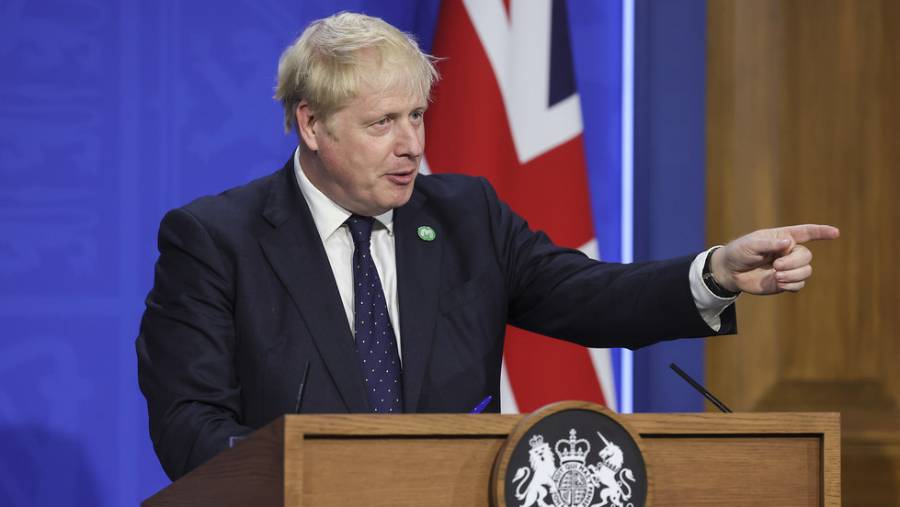
Prime Minister Boris Johnson has announced a hike in NI contributions that will be paid out by employers and employees from April next year.
From 2023, National Insurance contributions will return to current levels while a separate Health and Social Care levy will appear on staff’s payslips.
It is forecast that this increase in NI contributions will raise £12 billion annually over the next three years with money collected going directly to UK health and social care.
 |
Get our essential weekday HR news and updates.
|

However, this move has been criticised by various bodies which state this increase in contributions will impact low-earners and struggling businesses most heavily.
Neil Carberry, Chief Executive of the Recruitment and Employment Confederation (REC), said:
It’s vital that the social care system is properly funded – this has been a long time coming. But the 1.25 per cent rise in National Insurance, the UK’s biggest business tax, is the wrong choice.
As a tax on jobs, and a tax on activity rather than profits, rising National Insurance will fall more heavily on the labour intensive sectors most affected by the pandemic.
It also disproportionately affects lower earners.
The accompanying rise in taxes on dividends will also hit small limited company directors, who were denied any support during the pandemic. We all agree that social care needs more funding, but increasing labour taxes as we try to recover from the pandemic is not the fairest way to do it.
Seb Maley, Qdos CEO, similarly warned that this increase will “hit employers, pushing up the costs of hiring workers on the payroll”. This, he warned, could “stifle employment growth”.
Joanne Frew, head of employment at DWF, also talked of the detrimental impact this could have on businesses affected by the pandemic:
The 1.25 per cent increase in national insurance contributions, branded as the ‘health and social care levy’, will be met with discord, not only by employees but employers across the UK who have faced an incredibly challenging period as a result of Brexit and the pandemic.
With the Coronavirus Job Retention Scheme drawing to a close and labour supply presenting ongoing difficulties, many employers are struggling.
Business continuity has to be a priority, with the aim of keeping people in employment. National Insurance represents a flat cost across the business, regardless of profitability and with this increase, many employers will think twice before taking on extra staff.
Whilst it was always predictable that the cost of the pandemic would need to be paid for, employers certainly need a longer period of grace in order to recover from the impact of the past 18 months.
Considering the impact this reform could have on employees, Frances O’Grady, General Secretary of the Trades Union Congress (TUC) criticised the levy for “raiding the pockets of low-paid workers, while leaving the wealthy barely touched”.
Research published by the Institute for Fiscal Studies (IFS) warned that these changes could also increase the tax gap between employees and people who are self-employed. This is because there is no equivalent of employer NICs levied on the self-employed.
The body estimates the combined NICs rate on employment income (including employer NICs) will rise from 22.7 per cent to 24.6 per cent. However, the rate on the self-employed will rise from 9 per cent to just 10.25 per cent.
Helen Miller, Deputy Director at the IFS, called this discrepancy in rates of tax “unjustified, unfair and inefficient” and felt this would “move the tax system further in the wrong direction”.
It is expected that the House of Commons will vote today (8th September) on these proposals to increase National Insurance Contributions from 2022.


Monica Sharma is an English Literature graduate from the University of Warwick. As Editor for HRreview, her particular interests in HR include issues concerning diversity, employment law and wellbeing in the workplace. Alongside this, she has written for student publications in both England and Canada. Monica has also presented her academic work concerning the relationship between legal systems, sexual harassment and racism at a university conference at the University of Western Ontario, Canada.
- Monica Sharma

- Monica Sharma

- Monica Sharma

- Monica Sharma




