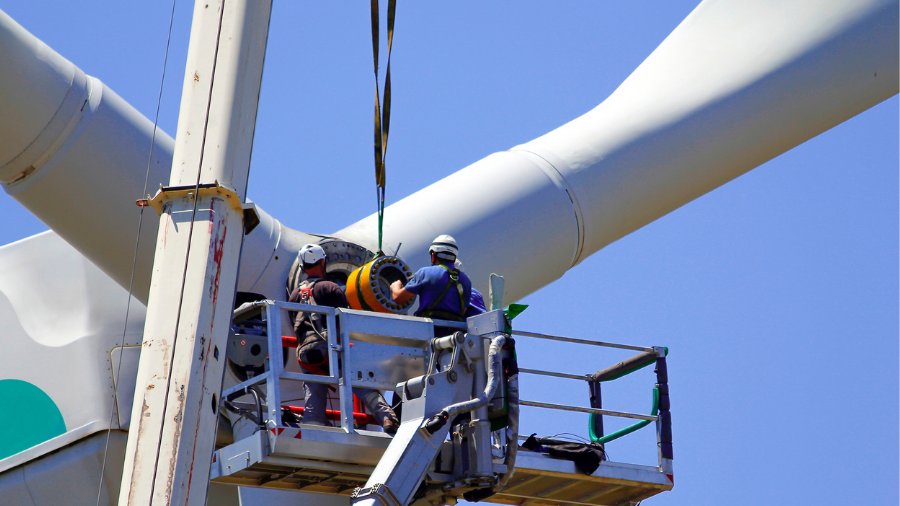

Only five percent of the ‘green jobs’ needed are being advertised for, according to the consultants PwC.
The UK government promised there would be two million ‘green’ roles made available in less than ten years. It said this would cost £4bn, yet PwC found this aim is well below target.
PwC also called for the government to include any role that supports the green economy – even indirectly – within its ‘green’ definition.
Currently, any role that falls under dealing with the effects of climate change could be considered green such as environmental engineers, researchers in sustainability and even farmers who produced no emissions.
 |
Get our essential weekday HR news and updates.
|

Meanwhile, eight in ten (82 percent) senior professionals are concerned that the next generation of business leaders don’t have the green credentials to build sustainable companies.
Eco-anxiety increases
New Street Consulting Group (NSCG), a consultancy, has also released research which says there is growing ‘eco-anxiety’ about climate change.
Kevin Ellis, PwC chairman and senior partner, said: “Left unchecked, green employment will grow in the most fertile spots, but not necessarily where they’re needed most.”
Graham Atkins, Managing Partner at NSCG said: “There (are) rapid advances in sustainability and digital, and the rate of change will only get quicker. It’s business critical that leadership skills evolve to ensure strategies and decision-making remain in keeping with what matters to target markets.”
Regional Divide
The PwC report found there was a regional divide, with poorer parts of the UK having fewer or no green jobs.
This, the study suggested, would cause areas such as Northern Ireland, Wales and Yorkshire to lag behind while others transitioned to a greener economy.
Yorkshire, for example, is well-known for its booming agriculture and construction, both of which can be seen as high-polluting industries.
These industries, the report warned, could be at risk as transitioning to green jobs might make those roles defunct.
The research found Scotland and London at the top for green jobs, which bolstered its economic divide argument.
Speaking to the BBC, a government spokesman said: “As this data shows, hundreds of thousands of green jobs are being created across the country, and our landmark Net Zero Strategy sets out how the UK will accelerate this growth, unlocking £90bn in private investment.”


Feyaza Khan has been a journalist for more than 20 years in print and broadcast. Her special interests include neurodiversity in the workplace, tech, diversity, trauma and wellbeing.
- Feyaza Khan

- Feyaza Khan

- Feyaza Khan

- Feyaza Khan