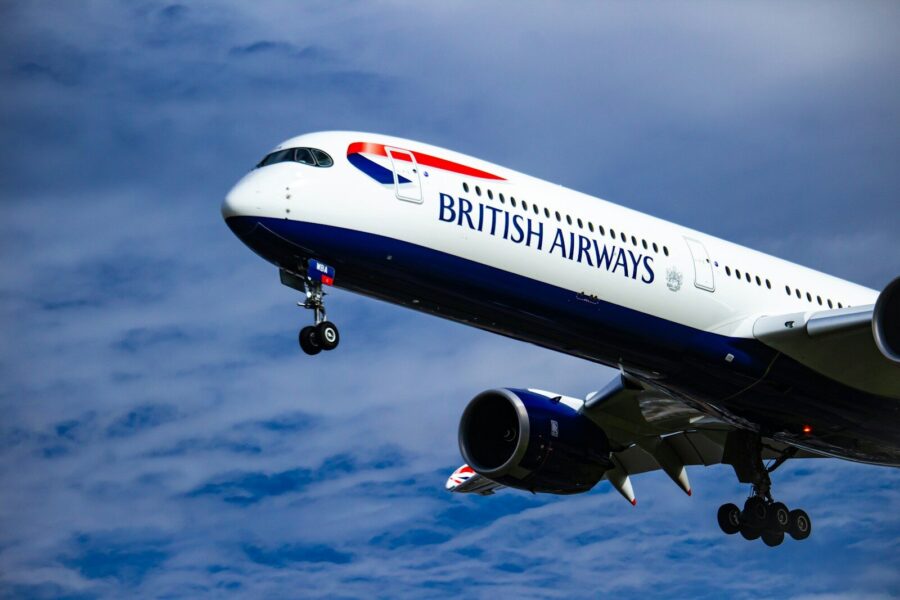

A flight attendant with nearly 40 years of unbroken service with British Airways has won her discrimination case after being dismissed for being too anxious to fly. An employment tribunal ruled the dismissal both discriminatory and unfair, reinforcing the legal duty to accommodate employees with mental health conditions.
Jennifer Clifford developed anxiety and depression during pandemic-related furlough and was later declared unfit to fly. Although initially offered a ground-based role, her contract was terminated at the end of 2022 when she had not recovered sufficiently to resume flying duties. The tribunal found her condition constituted a disability under the Equality Act 2010 and that her employer failed to make reasonable adjustments.
Her claim of sex discrimination was rejected, but the panel upheld her claims of disability discrimination and unfair dismissal.
‘Just a little bit of anxiety’
The tribunal heard that a senior manager described the flight attendant’s condition as “just a little bit of anxiety” — a comment the panel said reflected a dismissive approach and contributed to a failure to support her properly.
 |
Get our essential weekday HR news and updates.
|

It concluded that a phased return to flying, supported by continued ground duties, would have been a reasonable adjustment. Instead, her dismissal was found to be disproportionate and avoidable.
The employee’s record included almost four decades without a single day of sick leave, a factor the tribunal said should have been considered when assessing how to manage her condition.
Tribunal outlines BA’s failings
“Ms Clifford needed a phased return in a ground duties placement before returning to her full contractual flying role,” Judge Emma Hawksworth ruled.
“That was because of the need to rebuild her confidence and to give time to adjust to working again, and these requirements arose from her disability. She remained unable, because of anxiety and depression, to return to her flying role when required to do so by [BA] at the end of the resourcing and recruitment placement.
“[T]elling [Clifford] she had ‘just a little bit of anxiety’ was clumsy and … came across as an attempt to dismiss how she was feeling.
“[Clifford] had very long service with [BA]. She had had a lengthy period of absence from work, in part because of things for which she was not responsible: a long period of furlough and a long period when the respondent was considering her grievance.
“A reasonable employer would have given her a longer and more suitable phased return and would, in line with its policy, have considered redeployment to a ground based role before deciding to dismiss her.”
A warning for HR teams
While not a landmark ruling in legal terms, experts say the case serves as a strong reminder to HR professionals of their obligations under the Equality Act:
Mental health can be a disability
Conditions such as anxiety and depression may trigger a duty to make reasonable adjustments if they substantially affect day-to-day life.
Long service demands thoughtful handling
An employee with decades of loyal service deserves careful consideration before dismissal is even considered.
Adjustments are often simple
Ground duties, flexible hours or phased returns can often help retain valuable staff.
Attitudes matter
Managerial comments that minimise mental health concerns may be seen as evidence of discrimination.
A cautionary tale
The case does not set a precedent but adds to a growing list of tribunal decisions where poor handling of mental health has led to legal and reputational risks for employers.
Legal observers continue to advise that tribunals take a dim view of employers who fail to engage meaningfully with occupational health advice or who dismiss employees with disabilities without exploring alternatives.
To avoid similar outcomes, they say employers should:
- Provide mental health awareness training for all managers
- Ensure early access to occupational health assessments
- Fully document all support offered and alternatives explored
- Take extra care with long-serving employees facing mental health issues
The flight attendant’s experience shows how quickly a successful, decades-long career can unravel when mental health concerns are not taken seriously.


William Furney is a Managing Editor at Black and White Trading Ltd based in Kingston upon Hull, UK. He is a prolific author and contributor at Workplace Wellbeing Professional, with over 127 published posts covering HR, employee engagement, and workplace wellbeing topics. His writing focuses on contemporary employment issues including pension schemes, employee health, financial struggles affecting workers, and broader workplace trends.
- William Furney

- William Furney

- William Furney

- William Furney