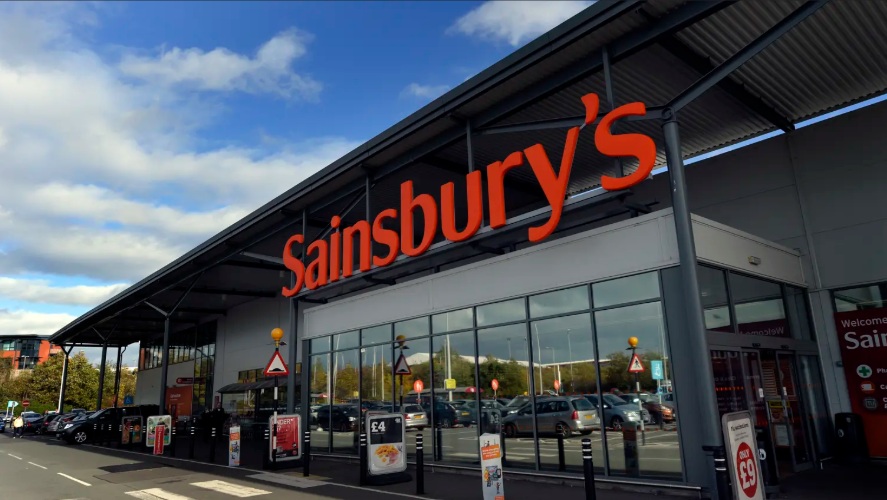

A Sainsbury’s manager has been awarded £11,852 after an employment tribunal ruled that excluding him from a workplace social media post celebrating male leaders amounted to unfavourable treatment linked to disability.
The case centred on a senior store manager who discovered he had been left out of a regional leadership tribute posted online while he was on sick leave due to anxiety. The omission triggered questions from colleagues and contacts about whether he had left the company, which he said caused further distress during an already difficult period.
An employment tribunal in Cardiff ruled that the decision to exclude him from the post was the result of a deliberate choice by his manager, and that it constituted harassment related to disability and unfavourable treatment connected to his health condition.
The claim was brought by Darren Cooper, who began working for supermarket chain Sainsbury’s in 1993 and later became store manager of the company’s Pontypridd branch in South Wales.
 |
Get our essential weekday HR news and updates.
|

Post celebrating male leaders sparked dispute
Cooper had taken sick leave in July 2022 due to anxiety. Several months later his regional manager published a post on LinkedIn and the company’s internal platform Yammer marking International Men’s Day and praising male leaders across stores in South Wales and England.
The message included photographs of regional store managers and named each one, except Cooper.
The tribunal heard that the post led to confusion among colleagues and acquaintances who saw the message online and asked him why he had not been included.
Cooper told the tribunal that the omission left him feeling deeply humiliated and worsened his mental health difficulties. He said the experience caused additional stress during a period when he was already dealing with anxiety and trying to recover from illness.
Cooper also described his long history with the retailer during the hearing, telling the tribunal he had “orange blood” after decades of service to the business.
Tribunal ruled exclusion was deliberate
The tribunal examined the circumstances behind the post and concluded that the manager who published it had consciously decided not to include Cooper. After reviewing the evidence, the panel concluded that the decision amounted to discriminatory treatment connected to his illness.
The panel said the reasoning behind the omission demonstrated a deliberate choice. “Therefore this amounted to unfavourable treatment because of something arising from disability,” the tribunal panel said.
The ruling found that the treatment contributed to distress experienced by Cooper and warranted compensation.
Cooper ‘did not want contact’
Matt Hourihan, Cooper’s regional manager, told the tribunal he had believed Cooper preferred not to be contacted while on sick leave and therefore chose not to include him in the post.
He also said he did not have a photograph of Cooper available for the message and felt it would have been inappropriate to request one.
Explaining the purpose of the original message, Hourihan said he had intended to recognise male leadership within the region’s stores. He said he wanted to “celebrate the male leaders” working in stores in the region.
The message posted online praised the work of managers across the business: “All of you do this whilst leading busy lives outside of work too, dealing with health, family and personal issues in the same way that everyone else does, yet you all show up for work each day, put on a name badge and provide support, guidance and leadership to the thousands of colleagues that work on our region.”
Despite this explanation, the tribunal concluded that the decision to exclude Cooper still constituted unfavourable treatment linked to his disability.
Compensation awarded for injury to feelings
Cooper eventually brought several claims against the retailer, including disability discrimination, harassment, unfavourable treatment and unfair dismissal.
He was dismissed from his role in June 2023 after discussions about returning to work.
The tribunal rejected his claims of direct disability discrimination and unfair dismissal. But it upheld his complaint of harassment related to disability and his claim of unfavourable treatment arising from disability.
As a result, the panel ordered compensation totalling £11,852. It included £7,500 awarded for injury to feelings.
Employment tribunals frequently assess compensation for injury to feelings using bands established in discrimination law cases. Awards can vary depending on the severity and impact of the treatment experienced.
Experts say the case illustrates how workplace communications, including posts on internal networks and professional platforms, can have legal consequences when employees are excluded or treated differently due to health conditions.


William Furney is a Managing Editor at Black and White Trading Ltd based in Kingston upon Hull, UK. He is a prolific author and contributor at Workplace Wellbeing Professional, with over 127 published posts covering HR, employee engagement, and workplace wellbeing topics. His writing focuses on contemporary employment issues including pension schemes, employee health, financial struggles affecting workers, and broader workplace trends.
- William Furney

- William Furney

- William Furney

- William Furney