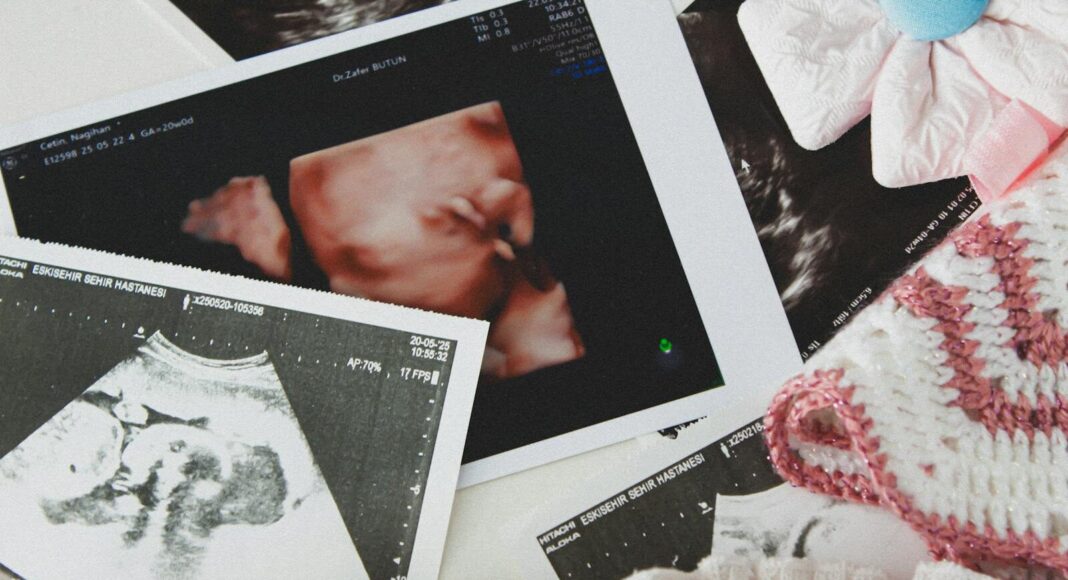

Northern Ireland has become the first part of the UK to introduce statutory paid miscarriage leave, giving employees a day-one right to time off following pregnancy loss and setting a new benchmark for workplace support.
The change, which came into force this week, entitles eligible parents to up to two weeks of paid leave after a miscarriage at any stage of pregnancy. It marks a significant departure from existing rules across the rest of the UK, where support has largely been limited to stillbirths after 24 weeks.
Each year, around 9,000 employees in Northern Ireland are affected by miscarriage, placing the issue firmly within workplace policy rather than solely within healthcare or personal circumstances.
New baseline for employer responsibility
Under the new regulations, both the woman and her partner can take leave from their first day in a job, paid at the statutory rate of just over £194 per week or 90 percent of average earnings if lower. The leave can be taken as a continuous two-week period or split into two separate weeks within 56 weeks of the loss.
 |
Get our essential weekday HR news and updates.
|

Employees are not required to provide medical evidence and need only inform their employer, removing administrative barriers at what is often a highly distressing time.
The reform closes a longstanding gap in employment rights. Previously, paid bereavement leave in Northern Ireland applied only after a stillbirth beyond 24 weeks and required a minimum period of service, leaving many employees without formal support.
Economy Minister Dr Caoimhe Archibald set out the intention behind the change, stressing the need for compassion in workplace policy. “Parents who suffer the loss of a child should be treated with care and compassion,” she said. “These new rights allow women who experience miscarriage and their partner to take up to two weeks of paid leave to grieve and to support each other during a very difficult time.”
Cultural and workplace impact
The move has been welcomed by campaigners and support organisations, which have long argued that miscarriage remains insufficiently recognised in employment law and workplace culture.
Joanne Morgan, chief executive of TinyLife, a Northern Ireland charity that supports families of premature and sick babies, said the change addressed a gap that many parents had experienced. “I think this is long overdue,” she told the Belfast Telegraph.
She acknowledged that while the entitlement was limited, it still represented meaningful progress. “It is two weeks, which is not a very long period of time, but I think any period of time that enables parents to be able to kind of deal with the loss is definitely something that should be welcomed.”
Morgan also pointed to the broader need for cultural change around pregnancy loss. “It’s so prevalent for so many women. Anything like this that gives it some kind of status is really helpful, but there’s so much that we can do in our sector — in the charitable sector — and just in society, just as people.”
Trade unions have also backed the reform, while warning that implementation at employer level will be critical.
The Public and Commercial Services Union, a trade union representing civil servants and public sector workers, said the change provided essential support at a difficult time. Regional secretary Gayle Matthews said the change “affords women and their partners a level of basic dignity in the most difficult of circumstances.
“PCS urges employers to quickly implement the changes to reduce the impact on individuals and remove any administrative burdens which people don’t need to be dealing with when faced with miscarriage.”
But she added that “PCS, however, won’t take for granted that all employers will act quickly and we will be on hand to assist any member faced with difficulties in accessing this new right”.
Wider UK reforms still lag behind
While Northern Ireland has moved ahead, similar rights are not yet in place across England, Scotland and Wales.
The UK Government is expected to introduce legislation from 2027 that would give parents the right to at least one week of unpaid leave following a miscarriage, regardless of the stage of pregnancy. The contrast in approach raises questions about consistency in employee support across the UK.
Further reforms are also being considered in Northern Ireland through the proposed Good Jobs Bill, which is expected to expand family-related leave rights. Plans include the introduction of neonatal care leave and pay for parents of babies requiring hospital treatment after birth, as well as improvements to paternity leave, including making it a day-one entitlement.
Morgan said the miscarriage leave reform should be seen as part of a wider change in recognising the realities faced by working families. “Anything that requires you to be out of work and in hospital actually has a huge impact on the whole family dynamic,” she said.
The policy is expected to cost the Northern Ireland Executive around £3.5 million annually, but supporters argue the wider benefits, including employee wellbeing, retention and trust, are likely to outweigh the financial impact.


William Furney is a Managing Editor at Black and White Trading Ltd based in Kingston upon Hull, UK. He is a prolific author and contributor at Workplace Wellbeing Professional, with over 127 published posts covering HR, employee engagement, and workplace wellbeing topics. His writing focuses on contemporary employment issues including pension schemes, employee health, financial struggles affecting workers, and broader workplace trends.
- William Furney

- William Furney

- William Furney

- William Furney