
As International Womens’ Day approaches on March 8th, a report has called out the ‘underrepresentation of women and minority groups’ in the House of Commons.
The cross-party Women and Equalities Committee’s inquiry, which launched in February 2021, covered a range of issues. However, although these were specific to the role of MPs in the House of Commons, the report stresses it applies to workplaces across the UK.
In its report Equality in the heart of democracy: A gender sensitive House of Commons that only 5.7 percent of all 650 MPs are women from minority ethnic backgrounds.
It says representation of women in the House of Commons lags behind its devolved counterparts at 34 percent and falls below that of comparable European nations
 |
Get our essential weekday HR news and updates.
|

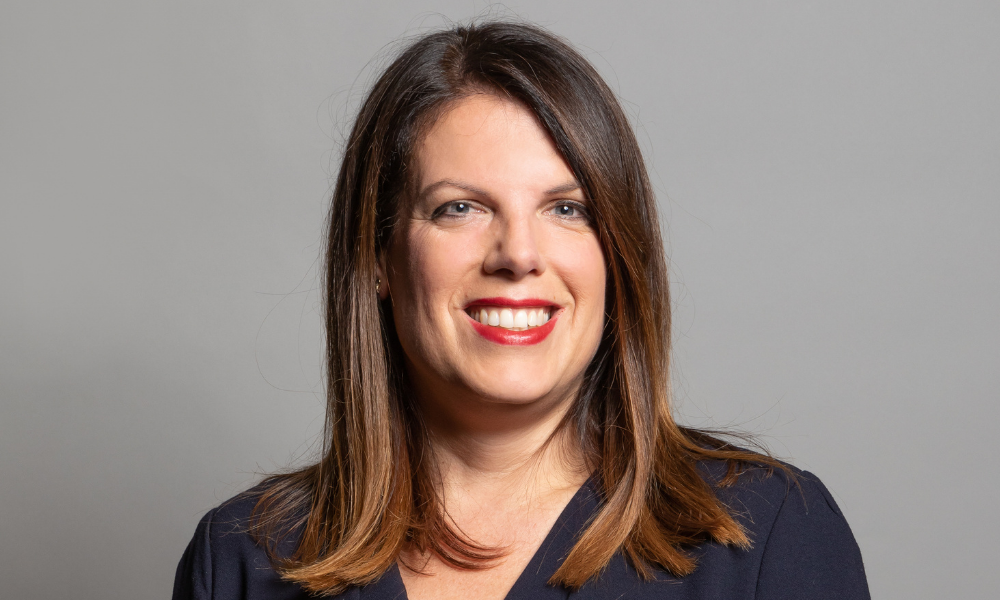
“As Parliamentarians, we are meant to represent those we serve. At present, we simply don’t- only a third of MPs are women, and just 37 of 650 Parliamentarians are women from ethnic minority backgrounds’ said Chair of the Women and Equalities Committee, Rt Hon Caroline Nokes MP. “ “The most glaring problem is the shocking abuse and misogyny which all women in politics, and especially minority ethnic women, suffer. This must not become an accepted part of the job.”
Misogyny is rife in politics and at work
The report looks at the barriers faced by women in politics, from the nature and level of abuse faced by female politicians to practical barriers in Parliament itself. This includes inadequate provision for parents and carers, and the lack of any real driver for change.
Against a background of increased awareness about the physical and verbal violence faced by women, and the role of public institutions in protecting them, the report states that ‘vicious misogynistic abuse must not be accepted as an inevitable facet of a woman’s life in politics. It notes the role of such harassment in the poorer retention rate of female MPs compared to their male counterparts.
The report also acknowledges ‘deeply troubling’ revelations about bullying and harassment within the Houses of Parliament, which has led both Houses to ‘begin to address their cultures and behavioural standards’.
Stating that the House of Commons should ‘revive and maintain’ a focus on gender and wider diversity, the MPs make a number of recommendations which would promote a more inclusive culture, thus encouraging more women and other under-represented groups into roles as Parliamentarians.
Ms Nokes said: “It is within our power to improve this. Part of encouraging women into any profession is making that workspace inclusive. Women are disproportionately carers in society; catering to the needs of parents and other caregivers is an easy win for the House of Commons and a journey upon which they have already embarked. But they must go further and faster.”
Key recommendations include:
- The government must implement section 106 of the Equality Act 2010, which would require political parties to report on the diversity of their Parliamentary candidates. ‘Greater transparency’, say the Committee, will be key to the selection of candidates who are more representative of the communities they serve.
- The Online Safety Bill used to strengthen sanctions against those who target female politicians with threatening and harmful online harassment and abuse.
- While the Committee welcomes the 2018 introduction of proxy voting for MPs absent from Westminster due to childbirth or adoption, there remain anomalous features which must be rectified. The scheme, which enables MPs to vote on behalf of their absent colleagues, does not provide for new fathers beyond two weeks, which, say the MPs ‘entrenches assumptions about unequal gender roles in childcare’. Cover for specific complications, including premature births, miscarriages and baby loss should additionally be made explicit in the scheme.
- ‘Major steps forward’ have been made regarding funding for parental leave for MPs, as well as for wider caring responsibilities. However, these too must be extended beyond their current scope, which entrenches gender stereotypes. The report also calls on the Independent Parliamentary Standards Authority’s (IPSA) to assess the impact of publishing additional costs associated with being a parent, as doing so could discourage parents and carers from careers as Parliamentarians, as their costs- such as transport and childcare- are often higher. IPSA should consider publishing these costs only at the aggregate, rather than the individual, level.
- Insufficient thought was given to gender sensitivity in Parliament’s ‘Restoration and Renewal’ programme, which aims to restore the historic buildings in the Parliamentary estate. For example, some MPs have had difficulty breastfeeding or pumping on the estate, and others have struggled to park with young children. The Committee recommends a survey of MPs on the adequacy of facilities across the House of Commons for carers, those with disabilities or health conditions, and of working practices made available during covid-19, such as hybrid working, which could help to increase accessibility.
- The report welcomes progress on transforming culture in the House of Commons and tackling bullying, through initiatives such as mandatory ‘Valuing Everyone’ training. However, the MPs urge a review, subject to further legal and procedural advice, to the current approach to suspension of MPs under investigation for sexual misconduct.
Ms Nokes said: “Viscous abuse, including rape and death threats, is totally unacceptable. Specific action must be taken to protect women MPs and candidates. Without such action, an entire generation of women could be deterred from entering Parliament.”


Feyaza Khan has been a journalist for more than 20 years in print and broadcast. Her special interests include neurodiversity in the workplace, tech, diversity, trauma and wellbeing.
- Feyaza Khan

- Feyaza Khan

- Feyaza Khan

- Feyaza Khan