


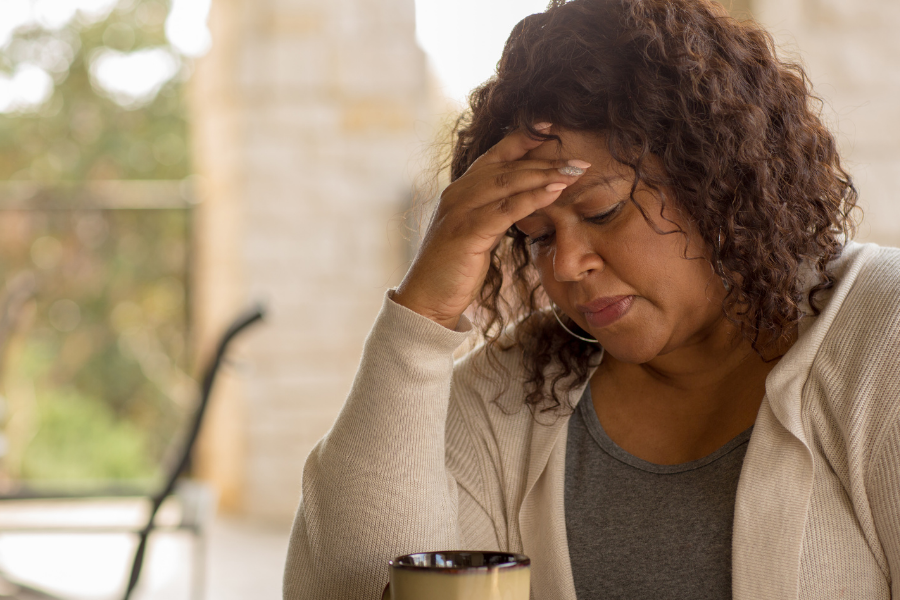

A recent study has revealed that more than 60 percent of menopausal women in the UK encounter discrimination in their workplaces.
This comes alongside findings that nearly eight out of 10 menopausal women are currently employed, according to the Faculty of Occupational Medicine.
The survey, conducted by Forth, which specialises in hormone tests for women, surveyed over 2,000 people to gauge public perception and experiences of menopause-related discrimination at work.
A striking 69 percent of respondents believe that women face discrimination due to menopause, with only 13.8 percent thinking that they never experience such bias.
 |
Get our essential weekday HR news and updates.
|

Breaking down the findings by gender, 74 percent of women and 64 percent of men acknowledged the existence of workplace discrimination against menopausal women.
Men don’t find the discrimination believable
Interestingly, 17.7 percent of men believe that women do not face discrimination due to menopause. Younger respondents aged 16-24 were most likely to perceive discrimination, with nearly half of this age group acknowledging its presence. This could be attributed to increased awareness through social media and personal connections, such as mothers undergoing menopause.
The survey highlights several forms of discrimination faced by menopausal women, including being overlooked for promotions and not having their symptoms taken seriously by managers and colleagues. These findings underscore the need for employers to understand and address the impact of menopausal symptoms on their employees’ performance and progression.
The Equality and Human Rights Commission (EHRC) has published new guidance under the Equality Act 2010, protecting employees against discrimination, harassment, and victimisation based on characteristics such as disability, age, and sex. This guidance suggests that if menopause symptoms significantly and long-term affect a woman’s ability to perform daily activities, these symptoms could be classified as a disability.
Dr. Beverley Taylor, Forth’s Menopause Expert, remarked on the situation:
“Sadly, this is fairly typical of where we are with menopause in the workplace. We have seen some positive steps to reduce bias from organisations that offer menopause awareness training and/or specific menopause support. Yet, there is much work to be done to increase overall awareness and reduce the impact of menopause symptoms at work. In 2023 we saw employment tribunal cases start to hit the media. The case of Maria Rooney and that of Karen Farquharson brought home just how much of an issue managing menopause at work is, and how far we have to go to reduce this bias and enable women to truly thrive during their menopausal years.”
Sarah Bolt, Founder and CEO of Forth, emphasised the ongoing challenges:
“While the heightened awareness of menopause discrimination is a positive aspect, the reality that women at this stage of life continue to experience such bias means we have much more work to do as a society.”
These findings call for a concerted effort from employers to support menopausal women, ensuring fair treatment and equal opportunities in the workplace.


Amelia Brand is the Editor for HRreview, and host of the HR in Review podcast series. With a Master’s degree in Legal and Political Theory, her particular interests within HR include employment law, DE&I, and wellbeing within the workplace. Prior to working with HRreview, Amelia was Sub-Editor of a magazine, and Editor of the Environmental Justice Project at University College London, writing and overseeing articles into UCL’s weekly newsletter. Her previous academic work has focused on philosophy, politics and law, with a special focus on how artificial intelligence will feature in the future.
- Amelia Brand

- Amelia Brand

- Amelia Brand

- Amelia Brand



