Commission welcomes age regulations

-

The Equality and Human Rights Commission welcomes the ban on age discrimination in services which comes into force today in England, Wales and Scotland.

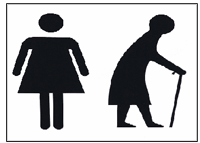
Evidence gathered by the Commission shows how many older people suffer ill-treatment and discrimination due to their age. Many older people told the Commission that care workers treated them badly, based on stereotypes around their age, rather than as individuals.

This includes not receiving support to allow them to take part in local community activities; support which was available to younger people. In another case, an 84-year-old man waiting for an urgent operation claimed he was told that he’d been put at the bottom of a six-month waiting list and that any cancellations would go to a younger person.

The 2010 Equality Act, makes it unlawful for any organisation providing a private or public service to discriminate against, harass or victimise an adult because of their age, and covers younger as well as older adults.

Get our essential weekday HR news and updates.

This field is for validation purposes and should be left unchanged.
Keep up with the latest in HR...
This field is hidden when viewing the form
Optin_date
This field is hidden when viewing the form


Members and guests of clubs and associations and anyone at the receiving end of ‘public functions’ such as tax collection will also be protected.

The ban is not absolute. Age-differentiated treatment will be allowed if it is covered by one of the exceptions introduced into the Equality Act. If no exception applies, service providers may be able to show that it’s ‘objectively justifiable’ to treat people differently because of their age.

John Wadham, General Counsel at the Equality and Human Rights Commission, said:

“The new ban on age discrimination in services is a significant change in the law; one that the Commission has always supported.

“Most types of beneficial age-based treatment can still continue and many businesses won’t need to change their practices. However, everyone should be aware of the fact that the ban has now come into effect.

“Over the next few months, the Commission will be publishing guidance and working with businesses, public bodies and individuals to explain the new regulations.”

Latest news

Personalising the Benefits Experience: Why Employees Need More Than Just Information

This article explores how organisations can move beyond passive, one-size-fits-all communication to deliver relevant, timely, and simplified benefits experiences that reflect employee needs and life stages.

Grant Wyatt: When the love dies – when staying is riskier than quitting

When people fall out of love with their employer, or feel their employer has fallen out of love with them, what follows is rarely a clean exit.

£30bn pension savings window opens for employers ahead of 2029 reforms

UK employers could unlock billions in National Insurance savings by expanding pension salary sacrifice schemes before new limits take effect in 2029.

Expat jobs ‘fail early as costs hit $79,000 per worker’

International assignments are ending early due to family strain, isolation and poor preparation, as rising costs increase pressure on employers.
- Advertisement -

The Great Employer Divide: What the evidence shows about employers that back parents and carers — and those that don’t

Understand the growing divide between organisations that effectively support working parents and carers — and those that don’t. This session shows how to turn employee experience data into a clear business case, linking care-related pressures to performance, retention and workforce stability.

Scott Mills exit puts spotlight on risk of ‘news vacuum’ in high-profile dismissals

Sudden departure of a long-serving BBC presenter raises questions about how employers manage high-profile dismissals and limit speculation.

Must read

Paul Russell: So you want to be…an engaging presenter?

You’ve delivered the presentation, your attendees are busy scribbling away at the evaluation cards, what do you think they are writing? ‘Dynamic speaker, kept me interested, learnt a lot’, or perhaps a rather less encouraging ‘the biscuits were good’. Making presentations to external organisations, delivering workshops to new starters, conducting seminars during company training days; presentation skills are particularly relevant for the HR professional. However, not all of us are naturals at bringing others on board for the journey and keeping them interested along the way. At the heart of being effective at imparting information that others retain is engagement, here are our top tips to engage your audience.

Employee Engagement: Four key considerations for measuring what matters most

What do you want your employee engagement activities and programmes to achieve for your business? Better employee retention (reduced churn)? Improved alignment with corporate goals? An increase in desired behaviours? Or simply better company results?
- Advertisement -

You might also likeRELATED
Recommended to you
