<

!Google ads have two elements of code. This is the 'header' code. There will be another short tag of code that is placed whereever you want the ads to appear. These tags are generated in the Google DFP ad manager. Go to Ad Units = Tags. If you update the code, you need to replace both elements.> <! Prime Home Page Banner (usually shows to right of logo) It's managed in the Extra Theme Options section*> <! 728x90_1_home_hrreview - This can be turned off if needed - it shows at the top of the content, but under the header menu. It's managed in the Extra Theme Options section * > <! 728x90_2_home_hrreview - shows in the main homepage content section. Might be 1st or 2nd ad depending if the one above is turned off. Managed from the home page layout* > <! 728x90_3_home_hrreview - shows in the main homepage content section. Might be 2nd or 3rd ad depending if the one above is turned off. Managed from the home page layout* > <! Footer - 970x250_large_footerboard_hrreview. It's managed in the Extra Theme Options section* > <! MPU1 - It's managed in the Widgets-sidebar section* > <! MPU2 - It's managed in the Widgets-sidebar section* > <! MPU - It's managed in the Widgets-sidebar section3* > <! MPU4 - It's managed in the Widgets-sidebar section* > <! Sidebar_large_1 - It's managed in the Widgets-sidebar section* > <! Sidebar_large_2 - It's managed in the Widgets-sidebar section* > <! Sidebar_large_3 - It's managed in the Widgets-sidebar section* > <! Sidebar_large_4 - It's managed in the Widgets-sidebar section* > <! Sidebar_large_5 are not currently being used - It's managed in the Widgets-sidebar section* > <! Bombora simple version of script - not inlcuding Google Analytics code* >

2022 needs to be the year of higher wages not the ‘squeeze’

-

Millions of workers could end up with almost the same wage packet next Christmas as this year. 

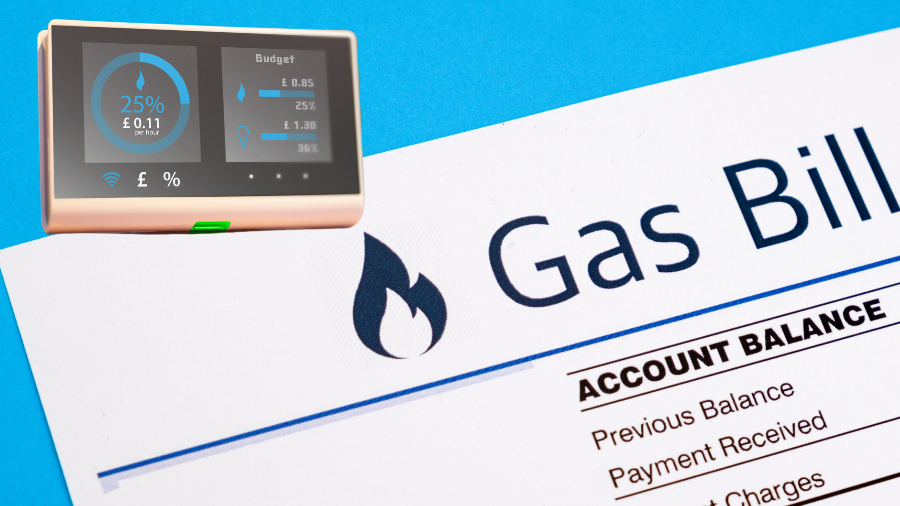
The Resolution Foundation says this, coupled with rising energy bills and tax rises will leave homes with a £1,200 a year hit to their incomes. 

The Foundation’s report predicted the start of this downward slope from April 2022, and called it ‘a cost of living catastrophe’.

Impact on households

It says it understands the Chancellor would be unable to do much in the short term to boost wages or curb inflammation, it believes the 6.6 per cent rise in the National Living Wage next April ‘should protect the lowest earners from shrinking pay packets.’

Meanwhile, TUC General Secretary Frances O’Grady stressed the need for ministers to work with unions and issued a direct challenge to the government to “give Britain a pay rise”. 

She said: “Families are bracing themselves for a cost-of-living storm in 2022. Bills are rising – fuel bills fastest of all. Millions of working households have been hit by the cut to universal credit – and will be hit next year by the hike to national insurance.  

“Our economy will only recover when working people can afford to spend in local shops and businesses. That’s the way to boost demand, grow the economy and protect jobs.” 

Calls for government action

The Resolution Foundation is also calling on the government to invest at least £450 million to reduce energy bills for the lowest earners. 

Among other suggestions, the Foundation says the government should extend and increase the Warm Homes Discount and help homes save further on their electricity bills by removing the environmental and social levies. This £160 household reduction in bills would cost around £4.5 billion.

Chief Executive of the Resolution Foundation, Torsten Bell said: “While the economic impact of this new wave (of Omicron) is uncertain, it should at least be short-lived. Instead, 2022 will be defined as the ‘year of the squeeze’.

He said the catastrophe facing households would be much worse if the government avoided stepping in: “Top of the Government’s New Year resolutions should be addressing April’s energy bills hike, particularly for the poorest households who will be hardest hit by rising gas and electricity bills.”

Frances O Grady also called on the government to enforce a pay of at least £10 an hour for workers in social care. She said: “The government can’t sit this wages crisis out. The pandemic showed us that our society keeps functioning because of the dedication of ordinary women and men, going to work day in, day out.

Latest news

Turning Workforce Data into Real Insight: A practical session for HR leaders

HR teams are being asked to deliver greater impact with fewer resources. This practical session is designed to help you move beyond instinct and start using workforce data to make faster, smarter decisions that drive real business results.

Bethany Cann of Specsavers

A working day balancing early talent strategy, university partnerships and family life at the international opticians retailer.

Workplace silence leaving staff afraid to raise mistakes

Almost half of UK workers feel unable to raise concerns or mistakes at work, with new research warning that workplace silence is damaging productivity.

Managers’ biggest fears? ‘Confrontation and redundancies’

Survey of UK managers reveals fear of confrontation and redundancies, with many lacking training to handle difficult workplace situations.
- Advertisement -

Mike Bond: Redefining talent – and prioritising the creative mindset

Not too long ago, the most prized CVs boasted MBAs, consulting pedigrees and an impressive record of traditional experience. Now, things are different.

UK loses ground in global remote work rankings

Connectivity gaps across the UK risk weakening the country’s appeal to remote workers and internationally mobile talent.

Must read

Louise Egan: Time to remove the stigmas around flexible working

"Encouraging flexible working actually cultivates creativity."

Seren Trewavas: What HR can learn from Ryanair

Earlier this month, budget airline Ryanair  announced it would...
- Advertisement -

You might also likeRELATED
Recommended to you

Exit mobile version