
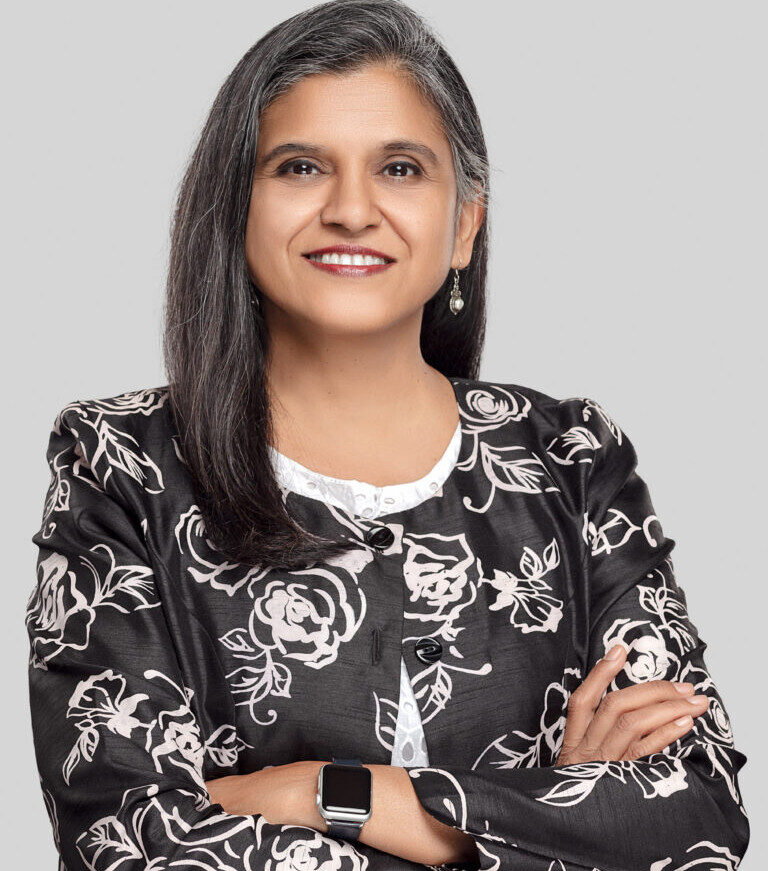
Based in Bangalore and working across continents, Kameshwari Rao leads the global people strategy at digital transformation consultancy Publicis Sapient. As chief people officer, she oversees the People Success function for more than 20,000 employees worldwide and sits on the company’s executive leadership team, where she champions a people-first culture grounded in wellbeing, inclusion and purpose.
Now in her third decade with the business, Kameshwari – known to colleagues as Kams – started out in finance before moving into HR, where she has helped shape the company’s global culture and workforce priorities.
In this edition of A Day in the Life of an HR Professional, she reveals how morning runs and evening meditation support her demanding schedule, why HR must speak the language of business, and how creativity remains a vital outlet beyond the boardroom.
I’m usually up early, around 5:30 am. That first hour of the day is sacred to me. I begin with some form of movement, whether it’s a run, strength training or yoga, followed by 10 minutes of meditation. It’s a routine that grounds me and helps create clarity before the pace of the day picks up.
 |
Get our essential weekday HR news and updates.
|

I also make a point to pause for a moment of gratitude, just a quick reflection to acknowledge the opportunity that comes with a new day. After that, it’s breakfast and time with my family. Even 30 minutes of connection before we all dive into our respective schedules makes a big difference. Those early rituals help me show up with energy, presence and purpose, qualities I try to bring into every interaction throughout the day, whether with our people, our clients or our leadership teams.
I shift into work mode by taking a few quiet minutes to review the day ahead. I start with my calendar, looking not just at meetings but also where my time is going and whether it aligns with my priorities. It’s an intentional moment to make sure I’m creating space for what matters most, whether that’s strategic thinking, team engagement or decision-making.
I’ll also scan my inbox for any urgent or high-impact emails that might need early attention. It’s less about jumping straight into action and more about setting the tone — being clear on what’s ahead so I can lead with focus and stay present throughout the day.

When I’m not working remotely, my commute is usually by car, either driving myself or being driven, depending on the day. I try to use that window of time intentionally. If I’m in the passenger seat, I often join an early meeting or use the quiet time to clear through my inbox so I can start the day with a clean slate.
If I’m driving, I tend to listen to a podcast, usually something that sparks new thinking around leadership, culture or digital transformation. It’s a chance to shift gears mentally, absorb a fresh perspective and arrive at the office feeling informed and energised. That transition time, however short, helps me move into the day with intention.
As soon as I settle in and officially start the workday, it’s a quick check-in to surface anything urgent or time-sensitive, and to get a sense of any developments that may have come in overnight, especially given the global nature of our teams.
A typical morning is a mix of strategic focus and meaningful connection. I usually start by reviewing progress on our key people and culture priorities: checking in on how we’re tracking against our goals and where we may need to pivot or accelerate. From there, I spend time in conversation with our People team leaders, whether it’s aligning on upcoming initiatives, removing roadblocks or simply staying connected to the pulse of the organisation.
I’ll often also speak with business leaders across the company to ensure our talent strategy is directly supporting their needs and ambitions. Most mornings include broader leadership or team meetings, which are opportunities to collaborate, align and drive momentum. Those conversations help keep us collectively focused on building a thriving, future-ready culture.
I take a lunch break around 1 pm each day. It tends to be simple, home-cooked Indian food that’s well-balanced and nourishing and keeps me energised for the rest of the day. If I’m working from home, I use that time to catch up with family; it’s a nice pause that brings balance to a busy schedule. On days in the office, I’ll often have lunch with colleagues, and the conversation usually drifts to everything but work, which is refreshing and helps build connections across the team.
Looking beyond AI, I believe the biggest innovation in HR over the next five years will be the continued shift in how we define the role of HR itself. We’ll move even more firmly into the space of coach and consultant, trusted partners who enable business growth by empowering people and teams.
Data will become the primary input for decision-making, not just at the leadership level but across the employee experience. We’ll see more personalised, customised journeys at scale — for learning pathways, career development or wellbeing support. And as digital capabilities mature, self-service will become more intuitive and integrated, giving employees greater ownership over their experience while freeing up HR to focus on the moments that truly matter.
What we do and how we do it is evolving rapidly, and the opportunity to shape more human-centred, insight-driven organisations has never been greater.
My advice to anyone looking to advance their career in HR is to focus on becoming a truly holistic professional. The future of HR demands a blend of disciplines: finance, data, psychology and even neuroscience. Understanding people deeply, while also being able to interpret data and speak the language of the business, will be key to creating real impact.
Developing strong skills in influencing, negotiation and connected thinking will also set you apart. These are critical capabilities in a world where HR is not just about supporting the business but shaping it.
And above all, remember that HR is both a science and an art. It’s about balancing analytical rigour with empathy and advocacy. If you can master that balance, being a strategic partner while championing people, you’ll be well positioned to lead the future of the function.
My afternoons are typically spent in a series of one-to-one meetings. These are some of the most important conversations in my day. They allow me to connect directly with leaders across the business and within the People team. It’s a chance to dive deeper into key priorities, provide counsel and ensure alignment on everything from talent strategy to culture initiatives.
These discussions often surface the real pulse of the organisation: what’s working, where we need to adapt and how we can continue to support our people in meaningful ways. They’re also an opportunity to coach, challenge, and listen — essential elements in leading a people-first function at scale.
One habit that really helps me stay grounded and productive is creating a deliberate pause between the day and evening. If I’ve been in the office, the drive home gives me a moment to decompress and reset. If I’m working remotely, I try to step outside for a short walk before transitioning into the evening stretch, often filled with global meetings across time zones.
That break, however brief, helps me recharge both mentally and physically. It creates a clear boundary, allowing me to show up with focus and energy for the conversations that follow. In a global role, those small rituals can make a big difference in sustaining clarity and resilience across a long day.
One of my biggest pet peeves about HR is the idea that it doesn’t need to understand the financials or how the business makes money. That couldn’t be further from the truth. To truly be a strategic partner, HR professionals need to be as commercially fluent as they are people-focused.
Of course, our core is people; that’s our purpose and our passion. But we can’t drive meaningful impact without deeply understanding the business context we’re operating in. The most effective HR leaders I know are the ones who connect the dots between talent, culture and commercial outcomes. It’s not either/or; it’s both.
Towards the end of the workday, I usually transition into more one-to-one conversations, this time with team members across our global offices. Given the time zones we operate in, late afternoons and early evenings are often when I connect with colleagues in North America or Europe. These conversations are a mix of check-ins, coaching and alignment on ongoing priorities.
While they’re still part of the workday, they often feel more reflective and conversational, which brings a different rhythm to the close of the day. It’s a chance to connect more personally, provide support, and ensure our global teams feel seen and supported, no matter where they are.
There are certainly days when the schedule stretches beyond the typical hours, particularly with international meetings. But I’m intentional about carving out time for the things that keep me grounded: an early morning run, family time or a quiet moment to reset. It’s less about rigid hours and more about being present and effective where it matters most.
I still find time for my amateur artistic pursuits. Despite the pace and complexity of a global HR role, I make space for a bit of drawing or painting when I can. It’s not about perfection; it’s purely for the joy of creating. It keeps me grounded, taps into a different part of my brain and reminds me that there’s always room for creativity, even in the most structured of days.
Evenings are a bit of a balancing act. I’m fortunate to have help with cooking, as I’ll admit it’s not something I particularly enjoy. That said, most of my dinners end up being at my desk, simply because there are so few overlapping hours in a global role. It’s often the most active part of my day in terms of meetings with teams across time zones.
Once things settle, I carve out time for family. I’m the primary caregiver for my parents, so that time is incredibly important to me. I also make space for one-on-one time with my husband, even if it’s just a short walk or a quiet conversation to connect before the day ends. Those moments are what keep me centred.
To help transition out of work mode, I try to create a bit of space for myself, even if it’s just 30 or 40 minutes. Some evenings, I’ll catch an episode of a show to unwind, or play a board game if we’re all at home; it’s a simple way to shift gears and have a laugh.
I also love to read and will often spend time with a book before bed. And when I can, I journal or do a little bit of art — something creative and tactile. It’s a quiet, personal ritual that helps me decompress and reconnect with myself after a full day.
I usually head to bed around 10 pm. I try to give myself a digital detox at least 45 minutes before that — no emails, no screens — just time to wind down properly. That might mean reading, having a chat, or simply playing a quiet game to relax.
Before sleep, I take 15–20 minutes to meditate. It’s a way of creating a clear boundary between the day and rest, helping me let go of any lingering thoughts. Most nights I fall asleep quite easily, usually with a quiet mind. It’s the one part of the day where I try not to think at all.


William Furney is a Managing Editor at Black and White Trading Ltd based in Kingston upon Hull, UK. He is a prolific author and contributor at Workplace Wellbeing Professional, with over 127 published posts covering HR, employee engagement, and workplace wellbeing topics. His writing focuses on contemporary employment issues including pension schemes, employee health, financial struggles affecting workers, and broader workplace trends.
- William Furney

- William Furney

- William Furney

- William Furney