


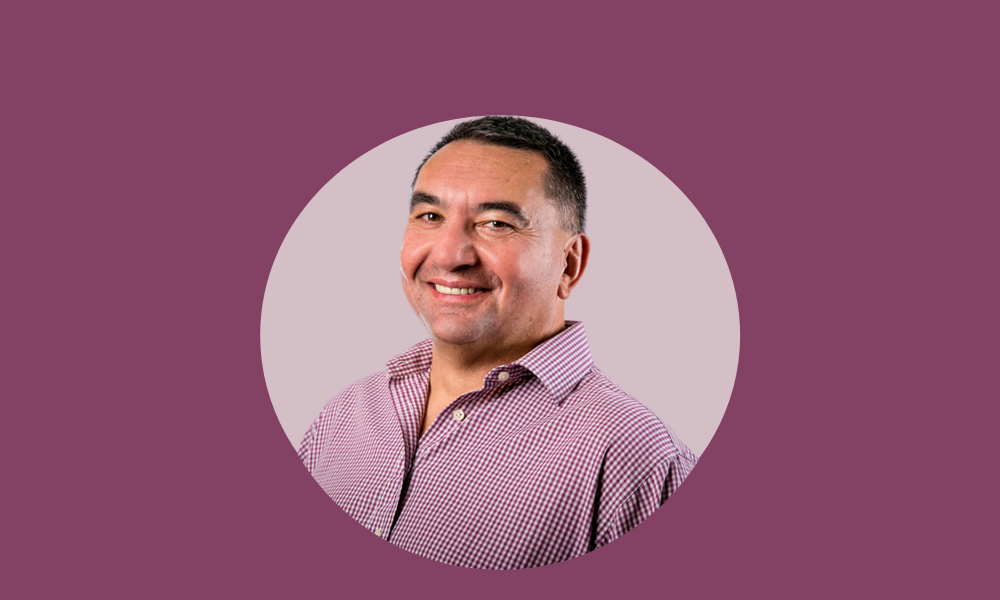

One of the biggest priorities for organisations today, writes Tony Prevost, is creating an environment that is diverse and inclusive.
It promotes employee wellbeing, attracts new candidates, and helps maintain a positive company image. The recruitment crisis has only heightened the pressure. Vacancies reached another record high at the end of 2021, leading organisations to expand their recruitment horizons.
However, while employers have increasingly turned their attention to groups they had previously overlooked – such as those with physical disabilities – one group is still consistently left out: people with intellectual and developmental disabilities (IDDs). Recent Skillsoft research revealed that whilst 88 percent of respondents said that their organisation has a DEI policy in place, less than half believe it includes people with IDDs. This is extremely concerning, considering that there are more than 1.5 million people in the UK with IDDs.
People with IDDs face a unique challenge trying to enter the workplace. Unconscious bias and an unwillingness to make small adjustments often stands in their way. Yet, if organisations are willing to work to build a truly inclusive culture, they stand to gain a talent pool that has a lot to offer. Here are some strategies that should help:
 |
Get our essential weekday HR news and updates.
|

Take advantage of hybrid working to improve accessibility
The rise of remote and hybrid working has transformed the talent market. These changes provide an excellent opportunity to make work more accessible. For many with IDDs, removing the stress of the commute and working in a comfortable environment can have huge benefits. Particularly for those with hearing or vision impairments, working at home may be easier than working in offices with large open spaces. Removing these stressors enables those with IDDs to focus on their tasks and apply their talent more effectively than in a busy office space.
However, it’s crucial that employers don’t automatically assume that remote working tools are more accessible. Often, adjustments to equipment will be necessary for those with IDDs. These are usually simple and quick to implement, but make a world of difference. Open and honest communication is the best way to understand the needs of your employees with IDDs. Every individual will have unique requirements and these should be taken into consideration. It is up to the organisation to ensure that the working environment and equipment is suitable for the employee.
Reassess your recruitment processes
Traditional recruitment processes can often exclude candidates with IDDs unintentionally. Organisations should carefully evaluate their current process to ensure that it is suitable for all. For example, does the advert contain exclusionist language? Too often, job descriptions include skills or requirements that are not actually relevant for the job and may exclude those with IDDs, such as asking for a social individual for a desk bound job. Identify the skills and talents that are really necessary for a role and ensure that these are prioritised on job adverts.
Interviews should be offered in multiple formats where possible. Some people with IDDs may struggle with phone interviews, but fare better with a video call or an in person interview. Offering the choice will ensure that candidates are given the best opportunity to demonstrate their suitability for the role. It’s also important to offer training on accessibility for your recruiters. Some people with IDDs may come across differently in interviews compared to other candidates, and this could come across as unenthusiastic or uninterested to recruiters that have not received proper training.
Organisation wide inclusivity
Implementing a top down initiative is important, but it is not enough on its own. Creating a truly inclusive environment requires buy-in from everyone in an organisation. For this, awareness generating efforts should be prioritised. Staff must be given training so that they can understand their role in building an inclusive culture. Organisations should aim to encourage a mindset of curiosity, growth, and development amongst employees. They should also ensure that they communicate their D&I policies effectively.
Creating awareness through learning and education is a crucial first step towards building an organisation that supports all of its employees.
Looking past recruitment
Everyone wants the opportunity to learn and grow in their career, and people with IDDs are no exception. However, being routinely underestimated, they often find that these opportunities are denied. Organisations must invest in mentoring, training, and career advancement if they are to help these employees reach their full potential.
First, employers should offer learning opportunities that will develop and support the skills of employees with IDDs. As with any other employee, these offerings should be personalised – what is most useful to any given individual will depend on their role and unique skill set. These opportunities may need to be modified slightly for individuals with IDDs. Organisations must make sure that they adjust all training to ensure it is accessible for everyone.
Mentoring schemes are another key talent development strategy. Pair individuals with IDDs with a mentor who understands their specific needs and will work with them to develop talent and ensure their success. Both these schemes and any training opportunities should offer the chance for feedback which can be factored into the process. It’s important that this kind of development is done with people, rather than to them.
If people with IDDs are supported and appreciated in the workforce, then they will bring a wealth of talent that organisations should embrace.
—
Tony Prevost is an international HR Director with more than 20 years experience and a sustained record of achievement in technology organisations. Having previously held roles at IBM, Sony and NEC, Tony is currently the HR Director EMEA at Skillsoft, where he manages large-scale recruitment and implementation of scalable solutions across multiple geographies.


