




Although most of us worry about our finances to some degree, stress and anxiety related to finances and debt features in the top three health and wellbeing issues that employers think most affect their workforce for three out of four generations.
It’s the biggest employer health and wellbeing concern for Gen Z and Millennial staff, and ranks second for Generation X. For Baby Boomers, concerns about levels of fitness and dealing with chronic health conditions are more of a concern to employers – financial stress still impacts, but to a lesser extent.
The top three health and wellbeing issues that employers believe most affect their Gen Zers, Millennials and Generation X employees are all related to sources of stress and anxiety:
 |
Get our essential weekday HR news and updates.
|

| Health & wellbeing concern | Generation Z | Millennials/Generation Y | Generation X |
| Stress and anxiety related to finances & debt | 19% | 51% | 37% |
| Stress and anxiety related to home life – including managing difficult relationships, caring responsibilities etc | 13% | 39% | 40% |
| Stress and anxiety related to work – such as pressures of overwork and uncertainty of the future | 14% | 38% | 36% |
Gen Zers
Gen Zers, the new kids on the block, have financial worries for very valid reasons: they grew up in the shadow of the recession and have had economic warnings ringing in their ears for years, so financial security is something they value highly. However, Zers are known for celebrating individuality and diversity, which means supporting this group can be a challenge for employers as they don’t appreciate a one-size-fits all approach.
Millennials
Having faced difficulties trying to find work at the height of the economic downturn, Millennials are only too aware of the fragility of job market. With high levels of student debt they’ve also been the generation who’ve had to live at home with their parents for longer or became part of “generation rent” as they couldn’t get on property ladder.
Once caricatured as being too entitled in the workplace, they’ve matured and taken on greater responsibilities – in fact, many are now middle managers with children, mortgages and other financial commitments.
Generation X
Often described as the “work hard, play hard” generation, many Generation X employees now find themselves “sandwiched”, facing the pressures of looking after children, young adults, adult-returning children (the “boomerang generation”) and elderly parents, which can all impact the household finances as well as being an organisational nightmare on top of the day job.
Macro and micro support
There’s a danger of lumping all employees together for HR policy and benefits but it’s vital to understand how the needs of each demographic can change over time. Staying alert to the constantly changing circumstances of each generation and reviewing their employee benefits package to ensure it is still relevant and appropriate, is vital. Otherwise employers run the risk of falling into the proverbial distant relative “goodness, how much you’ve grown” trap of acknowledging the growth after the fact.
That said, employers are right to be worried about employees stressed about their finances, home and work life (regardless of their generational or other nametag). Everyone needs a way of protecting their financial position from unexpected events that can cause income shocks (such as illness, accident or disability) but this isn’t always front of mind for those finding day-to-day finances or other issues too much of a challenge.
However, group risk protection products (employer-sponsored life assurance, income protection and critical illness) are relevant for everyone regardless of their age, position or salary, even though the only thing we all have in common is that we’re all different. These benefits combine macro level financial support with other micro level help that is tailored around someone’s unique circumstances, life stage and particular issues.
This can include access to an employee assistance programme (EAP) and other mental health support (such as fast access to talking therapies), and the help can be used every day regardless of whether or not claim is ever made. Thus, on a micro level they help employees to manage their mental health and can also help with any other issues that can cause distraction, anxiety or distress such as debt management, property matters, disputes with neighbours, bullying or finding elder care.
This not only gives great value from the benefit spend for employers but also ensures their people’s ever-changing needs are supported on a personal and generational level as they evolve, rather than on a blanket, impersonal or after the fact basis.


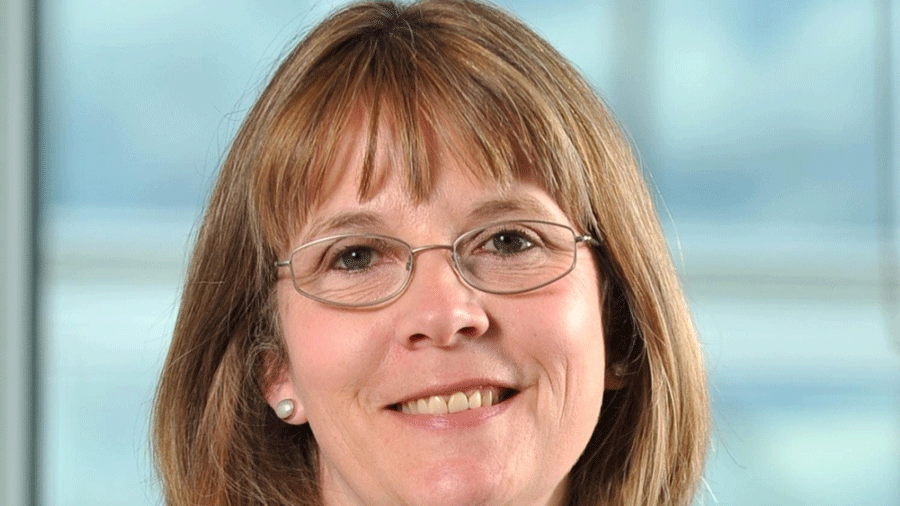
Katharine Moxham is spokesperson for Group Risk Development (GRiD), a position she’s held exclusively since May 2009. Katharine works to generate a wider awareness and understanding of group risk products (employer-sponsored life assurance, income protection and critical illness) and their benefits for employers and employees. She regularly contributes to industry and business publications and debate, and has actively raised the profile of the group risk industry with the media and business organisations.


