





Creating a welcoming, supportive work environment is the key to maintaining a happy workforce. It’s been proven that companies with happy employees outperform their competition by 20 per cent as these members of staff are consequently 12 per cent more productive. So, employee happiness levels really do have a direct impact on the bottom line.
This week it’s International Week of Happiness at Work, and although times like these are a great reminder for us to prioritise our employees’ emotional wellbeing, it really should be happening all year round. Plus, when your team – and potential candidates – can see that you’re committed to a long-term strategy to improve this, you’ll not only be retaining your most talented team members, but you’ll be attracting new ones too.
Two-way communication
Plenty of businesses claim to have implemented policies to improve communication between team members, but following through and maintaining these open and honest discussions with the wider team is essential to making impactful change within your company. From the moment a new team member joins the company, it’s important to take the time to fully explain any policies already in place and ensure they’re happy to abide by them.
 |
Get our essential weekday HR news and updates.
|

However, the reverse is just as important. No matter when an employee joined your company, or what role they’re in, their voice should be heard. In fact, you should be asking to hear it. At Heat we’ve opted to put together a regular communications meeting – every eight weeks – with volunteers from each team in the business. First, they meet with a director to openly discuss our current business strategy and any changes we’re going through. Then, our HR advisor will collect the volunteers’ feedback.
This two-part format is ideal for members of the team that are hesitant to ask certain questions in front of the director – but also give those that are more readily forthcoming the opportunity to speak up. Afterwards, we follow up with another meeting to share how we’re going to respond to their feedback, and address any issues raised. This is a really effective way to communicate with different teams across the company.
Workplace wellbeing
It’s crucial to remember that employees’ happiness doesn’t revolve around the time they spend in the office. That’s why it’s important to schedule regular one-to-ones which are not only focused on business activity, but also personal health and wellbeing. After all, a happy, healthy employee is able to work to their full potential, and what business wouldn’t benefit from that?
Since actively implementing a number of policies to address wellbeing, we’ve offered our employees perks, such as mental health newsletters and no-questions-asked duvet days. This creates a culture of employees feeling valued and rewarded for their work.
Meaningful relationships
According to Harvard Business Review, workplace friendships can boost employee satisfaction by 50 per cent – and surprisingly, those who work alongside their best friend are up to seven times more likely to fully engage with their work. Making sure the team have plenty of opportunities to collaborate and get to know each other on a personal level has a huge impact on employee happiness.
Similarly, never underestimate the importance of making your team feel comfortable while they’re at work – maintaining an upbeat atmosphere in the office needn’t be difficult. From a cheerful greeting as you arrive at the office, to regularly checking in to see if anyone needs a hand with a difficult project, your staff will appreciate you taking the time to treat them as individuals. Be sure to also reward those individuals for the smaller, everyday gestures that make the office a more pleasant place to work.
Praise and recognition
The younger generations in particular – most commonly, millennials – are eager to hear feedback on their work. Or rather, they’re looking for praise – not just areas to improve. From employee-of-the-months awards to a quick round-up at the end of a team meeting, there are a number of opportunities for you to showcase the achievements of your workforce.
Your staff will also want to see their own progress and developing a personal development plan is a great way to do this. By setting achievable – yet challenging – milestones, everyday tasks and ongoing projects can easily be broken down into more manageable chunks. When those milestones are achieved, you’ve both got a reason to celebrate.
While you can’t transform your workforce overnight, you and your team can reap the benefits of a carefully-planned long-term strategy. As you put this together, set a realistic timeline for the transition – allowing time for the business to identify its strengths and where to improve. Then, when you’re ready to implement your new strategy, you can be sure you’re not only boosting your employees’ happiness levels, but creating the right culture that will breed sustainable, long-term success.


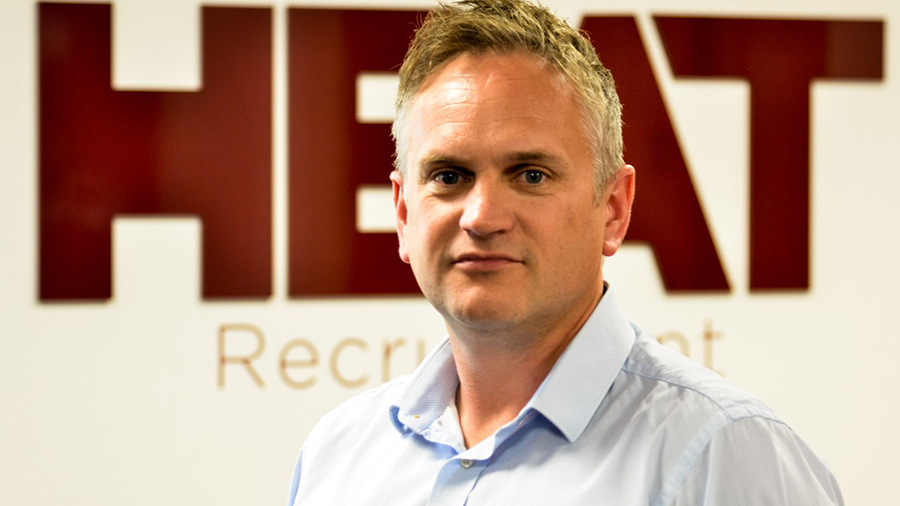
Steve Preston is managing director of specialist agency Heat Recruitment. Based in Bristol, the company specialises in hiring for the engineering, legal, insurance, IT and financial services’ sectors. Since he first established Heat Recruitment in 2006, Preston has built the business to become a 90-strong team which has been awarded a number of accolades – including the Workplace Wellbeing Charter Status and a 37th place in The Sunday Times Top 100 companies to work for in the UK.


