



Since the start of the pandemic, the landscape for how work gets done has dramatically changed. Companies have had to explore what a fully remote or hybrid workforce looks like, as well as the challenges and opportunities that come with it. Those in managerial levels have had to grapple with the ever-changing pandemic whilst simultaneously adapting and leading their employees through it. Now, with the light at the end of the tunnel, we can begin to look ahead. However, the pandemic has taught us some valuable lessons around leadership that we should take with us.
Agility, flexibility, and adaptability
There’s no doubt that some changes brought on by the pandemic will remain as we move forward. It’s also likely that there will be a continued period of adapting and learning. This need for agility, flexibility and adaptability has been highlighted continuously over the past 18 months, not just in day-to-day work but also when managing employees.
The fact is, it’ll take a while for things to adjust and settle. And that’s ok. Some employees, for example, may have unvaccinated children or immunocompromised family members to look out for, potentially further delaying their return to the office. Whilst others, eager to leave their homes and reconnect with colleagues in-person, will happily rush back to the office. The need to be flexible and listen will also mean leaders shouldn’t automatically follow the status quo by replicating what others in their industry are doing. But every company and its employees are different, so it’s critical that companies ensure that their people are always front of mind.
 |
Get our essential weekday HR news and updates.
|

This is also relevant when looking at what working style to implement going forwards. Whilst there have been some recognised downsides of being fully remote, many employees have enjoyed the at-home flexibility that cannot be found when in the office five days a week, not to mention the joys of skipping out on a lengthy commute. We are already seeing some companies move towards a hybrid environment, rather than retaining the fully remote working style that was thrust upon them at the beginning of the pandemic. With this in mind, office-based employers will need to embrace the hybrid environment, especially as it’ll enable them to retain their talent and build a flexible, agile organisation for the future.
The bottom line is, companies will need to make sure they’re investing in and partnering with their employees. If they do this, they will lay the right foundation to build upon.
Culture decay and how to address it
Investing in and partnering with employees also has a profound impact on company culture – something companies have been concerned about throughout the pandemic. Culture decay is real — maintaining a consistent culture with employees not together in the office is a challenge — and it’s not easy for some to understand why things can’t pick right up and return immediately to where they were prior to the pandemic. Some employees might be ready to get straight back to socialising, whilst others might be more cautious. As a leader, it’s important to accept that things will take time.
A way of working through this is to create a safe environment for your workforce to discuss any worries they might have. All of your employees have been through a life-changing, traumatic event. Not everyone will be ready for office togetherness right off the bat. With that in mind, companies may want to start by inviting a limited number of teams back to the office to begin the process of strengthening the culture where they can. Whilst every company will be different, it’ll be important to avoid blindly funding and doing the same cultural activities they did a couple of years ago.
Invest time and resources into activities that work for everyone and see this as an opportunity to take stock in what the culture is and, as a leader, what you want it to be and how you can invest to achieve it. A culture is not forever tied to the origin of the company – it can be redefined and rebuilt.
Why languish when you can flourish?
Another thing that has come up throughout the pandemic is how easy it is to become bogged down and driven by the swarm of incoming emails. And then there’s the very real fatigue of Zoom calls. This has meant employees are getting to the end of the day and too often seeing no noticeable accomplishments, or if they do they feel that they are less than optimal.
Ideally a company will designate a certain day or part of a day as “meeting free” so employees have time to focus on accomplishing tasks. Given the difficulties around formalising that, we should be encouraging employees to block chunks of their day to get tasks done while not fretting about the growing email inbox. It can boost morale and drive creativity through the feeling of wins throughout the day and removing the burden of to-dos. There’s no doubt they will feel happier – creating a more positive and productive atmosphere for all.
Moving forwards
It cannot be understated how much the pandemic has impacted the world of work. It’s forced us all to think about our careers, how we work best, and what we want from our employers. In that sense, the pandemic has been a real catalyst for change.
It has taught us all the value of certain skills, such as the need to be open and agile. However, for those in leadership roles, it has also taught us that we need to put time aside to check in with our staff. That it’s important to have open channels of communication to make sure people are getting what they need in order to be the best that they can be and equally to ensure that their wellbeing is front-and-centre.
Ultimately, leadership needs to shift post-COVID to ensure this focus on people remains at the core.


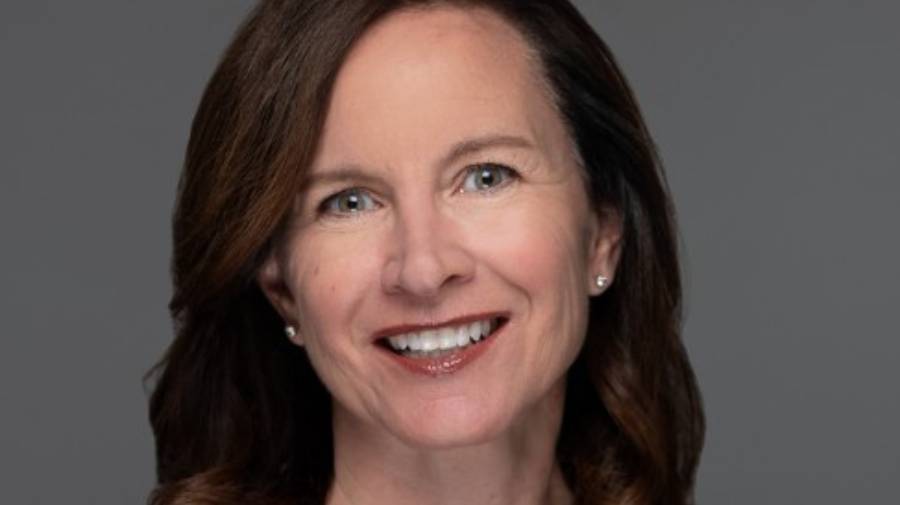
Elizabeth Loar is the Chief Financial Officer at SnapLogic, where she oversees the company's G&A functions including Finance, Accounting, Legal and Human Resources. Elizabeth is an experienced operational leader and management consultant specialising in business process reengineering. She previously served as SnapLogic’s VP of Finance & Administration and before that was the Corporate Controller and Director of financial planning and analysis at Merchant e-Solutions, a leader in the fin-tech industry.


