


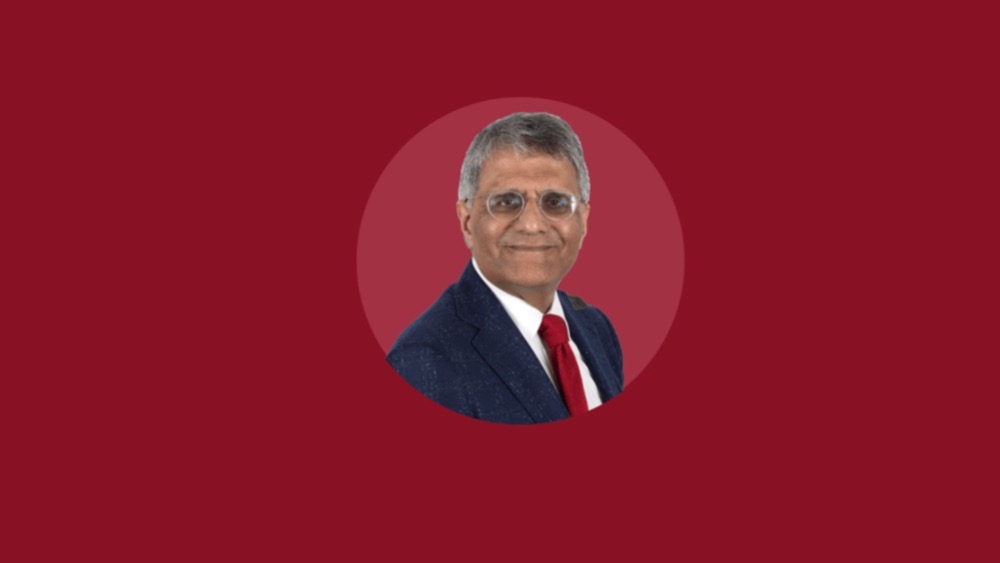

Toxic workplace cultures, and attempts to rectify them, have been hitting the headlines recently, from Elon Musk giving Twitter employees an ultimatum to commit to “long hours at high intensity” or leave, to Revolut enlisting psychologists to track whether employees are being respectful in the workplace, says Professor Binna Kandola.
Overcoming toxic workplace cultures requires taking action to create an environment of psychological safety. The concept was explored in Google’s Project Aristotle (2012), which found that psychological safety was the number one factor that makes an effective team.
It showed that having a team environment in which everyone feels safe in making their voice heard is critical to team performance.
So, what is psychological safety and how can it be achieved within the modern workplace?
 |
Get our essential weekday HR news and updates.
|

Psychological safety explained
Psychologist William Kahn said that psychological safety is about having the ability to show yourself without being afraid of negative consequences to your self-image, status or career. What is clear from his definition is the relationship between authenticity, inclusion and safety. Without psychological safety, the idea of bringing your whole self to work has no meaning. Where psychological safety exists you feel respected and heard by those around you; you feel able to share your ideas and to critique those of others.
To understand the broader concept of psychological safety, it is important to consider ‘psychological standing’. This refers to whether or not someone will be taken seriously when they do something, and can be age-, position- and occupation-dependent. In the workplace, some individuals who are visibly in the minority may be made to feel like their views are less important or are not valued as much as those who are in the majority.
There are numerous benefits to having an environment of psychological safety, such as:
- It can serve as a buffer against negative experiences that may occur in the workplace
- People are more likely to report adverse events
- People feel that they have a voice
- Reduced anxiety at times of stress and uncertainty
- Increased decision-making quality for top management teams
- Individuals are more willing and able to change their behaviour when the organisation is faced with challenges
- Less defensiveness which leads to more focus on organisational goals
- Better team performance where there is uncertainty and lack of resources
- Greater sharing of information and knowledge
- More collaboration
- Higher retention of employees
Creating psychological safety: being aware of mirroring
When we do not understand what is going on around us, we tend to look to the group for guidance on how to behave or respond. This is known as mirroring and it becomes a problem when the rest of the group responds in the same way and then no action is taken.
It is important that all employees, but especially leaders, have the capacity to analyse and understand what is happening in any given context. This is known as situational awareness. Conversely, when you don’t recognise the factors in an environment which are impacting behaviour it is known as situational blindness.
We all need to learn how to interpret situations and the techniques of how to intervene and challenge these situations appropriately. It is crucial to inform all staff on how to be active bystanders.
Speaking up
When employees do not feel comfortable speaking up, they may take action that is inappropriate because they do not want to bring mistakes or problems to the attention of their manager or colleagues.
On the other hand, when employees feel comfortable speaking up, they are more likely to follow processes and procedures relating to safety. This is because they feel able to discuss mistakes that have been made and to share them with other team members as well as the leader. When employees feel safe they can grow and adapt more easily at work.
For example, in a study of hospital nurse teams, issues to do with lack of equipment or information were more likely to be reported and acted upon where there was greater psychological safety and where the nurses were encouraged and had the skills to solve problems themselves. For improved performance, team autonomy has to work together with psychological safety.
The role of leaders
Leaders have a key role to play in creating environments of psychological safety. Inclusive leadership results in a greater quality of work and higher staff engagement which in turn results in higher psychological safety. Authentic leaders are self-aware, humble and look out for the welfare of others. This fosters a higher degree of trust with their colleagues.
Inclusive and authentic leaders should:
- Be concerned for their employee’s feelings and needs
- Provide positive feedback
- Encourage people to voice their concerns
- Encourage people to learn from their mistakes
- Engage in discussions with team members on how to approach a particular problem
Having weekly meetings to discuss events, share experiences and find ways of getting around potential obstacles is a great way to create this environment. Leaders will also learn of any organisational changes that may affect the team. Sometimes just having one more piece of information is enough to transform our understanding of a situation, so enabling staff to share details with one another is key to ensuring that groupthink does not prevail.
Remote working
There are a number of organisational factors which also impact psychological safety, such as working remotely. For virtual teams, that feeling of psychological safety can be lower than in-person teams. Virtual team members do not have a sense of belonging to an office, which means they will feel less secure in speaking up. This also leads to reduced team performance. Certain team members may be left out of the decision-making process because they are not physically present, potentially resulting in less attention and effort from those individuals.
As remote working has become the norm, establishing trust in virtual teams is something that needs more conscious effort than one that meets physically. Teams need to be trained in how to effectively work remotely. If this is not addressed, the feelings of exclusion that some members face will be exacerbated. Increased psychological safety facilitates effective learning behaviours regardless of where employees are working.
Building psychological safety in the workplace is crucial for employees to feel heard, reducing their stress levels and anxiety, and optimising team performance. Leaders and organisations can become more inclusive through listening to the experiences of colleagues and fostering open dialogue conducted in safe and respectful environments. Everyone has a role to play.
__
Professor Binna Kandola is Business Psychologist, Senior Partner and Co-Founder of Pearn Kandola.


Professor Binna Kandola OBE is a thought leader in workplace psychology, diversity, inclusion, and organizational behavior. He has authored articles and books addressing psychological safety, neuroinclusion, and workplace dignity. His work focuses on creating inclusive environments and addressing workplace micro-incivilities.


