




The U.S. currently has the most diverse workforce in its history, across race, age, gender, ideologies, interests and values. So when it comes to fostering corporate culture and teams, I encourage you to incorporate nontraditional tools as a means to tap into the hearts and minds your employees.
Pop culture, for example, can be a great source of information. We can learn a lot about our employees simply by tuning into what they tune in to. What characters from popular television shows and movies do they relate to? Studies show we tend to value what we identify with the most, often this means that a character is beloved because as the viewer, we can see ourselves in the same role.
Getting to know the “cast of characters” on your team and the characters that resonate with them can provide some keen insight about what motivates, inspires, or frustrates each person.
Here are some character types you might find on your team, and how you can inspire their best work:
 |
Get our essential weekday HR news and updates.
|



One of the most recognizable character types is the hero. The hero may act alone or as part of a collective.
Heroes desire to prove their value through their courage and tenacity, helping others along the way. They strive for mastery, and to make the world a better place. They want to be as strong and competent as possible. The down side, the Hero can be perceived as arrogant or self-righteous.
The Hero At Work
The Hero does every assignment, and often goes above and beyond. The Hero is highly productive, and focused. Hero-types thrive with short-term progress markers. They will work tirelessly until their mission is completed, so they would benefit from coaching on how to avoid burn-out, and how to deal with stress. Remind them to empower others so they can pull their own weight.


The Rebel can run the gamut from “outlaw” to “revolutionary”. Rules don’t apply to rebels. They want to change the system for the better, which means pushing boundaries and limits. Rebels are great at ideation and innovation. Their weakness? They can be hard to reign in.
The Rebel at Work
Rebels need personal freedom, so avoid micromanaging or restricting their work performance. An unhappy rebel personality may go rogue, like a grump creative director. If their trailblazing ways alienate the team, show them the impact of their deeds and give them coaching on group cooperation. Above all, encourage them!
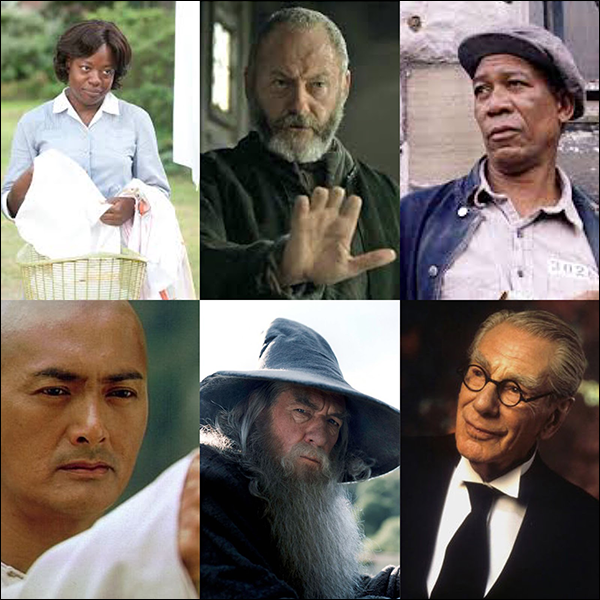
The Sage values truth above all else and is an expert, thinker, planner, and teacher. The Sage makes sense of the world through intelligence and analysis. They fear ignorance, and value wisdom. The downside? They can suffer from analysis paralysis.
The Sage At Work
The Sage is an active listener and thoughtful speaker. The Sage likes to examine a problem from every angle, so give them enough time for them to do their due diligence. Firm deadlines and progress markers are helpful to keep them from going down rabbit holes. Giving them a budget for educational materials will make them feel rewarded and supported. Schedule time for them to bring their research findings to the team.

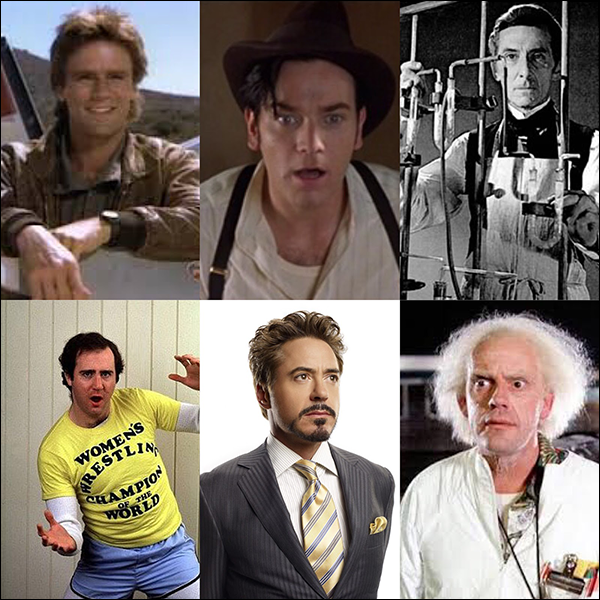
Creators are innovators, inventors, and artists. They don’t believe in limitations. Their personal motto would be, “If it can be imagined, it can be created.”
Their most notable traits are remarkable ingenuity, an incredible imagination, and visionary thinking. They are easily described as “ahead of [his or her] time.”
The Creator At Work
The Creator is opinionated and loves to solve problems. They provide an authentic voice, are protective of their work, and competitive. Once they have a winning idea, they may pursue it at all costs, which may not always be appreciated by other team members. They are highly intelligent, and have the tendency to come up with a million great ideas. They will benefit from a strong project manager to help them stay focused and on track.


What the Underdog lacks in natural talent or advantages, they make up for in work ethic and commitment. They are adaptable and tenacious and have a strong desire to beat the odds and succeed. An underdog can make a great hire. They might not look the part or ‘fit in’ but hardships have taught them valuable lessons that translate well for any organization.
The Underdog at Work
The Underdog is all about untapped potential. Create a positive environment, focus on consistency, and celebrate progress. Relationship building is a necessity to pull them out of their shell. Pair them with an inspiring mentor to help them overcome uncertainty.
Figuring out who “your characters” are will help you leverage each person’s best.
Appreciating each character for their strengths, and helping them overcome their weaknesses will improve their performance as employees, and make your team stronger overall.
In this way, you can create a “critically acclaimed,” innovative team that will be supported to provide impressive performances season after season.


Alexandre Pachulski serves as the Chief Product Officer at Talentsoft. With double expertise in HR and IT, his mission at Talentsoft is to design the market's most innovative software package, particularly by incorporating HR know-how into Talent Management and strategic HR decision support. Alexandre is an accomplished author of several books on HR themes and has a blog dedicated to Talent Management. He holds a Doctorate in IT with a thesis on the identification of key competencies within a company and a Master's Degree in Artificial Intelligence "Mathematics, Information Technology, and Applications in Human Sciences.


