


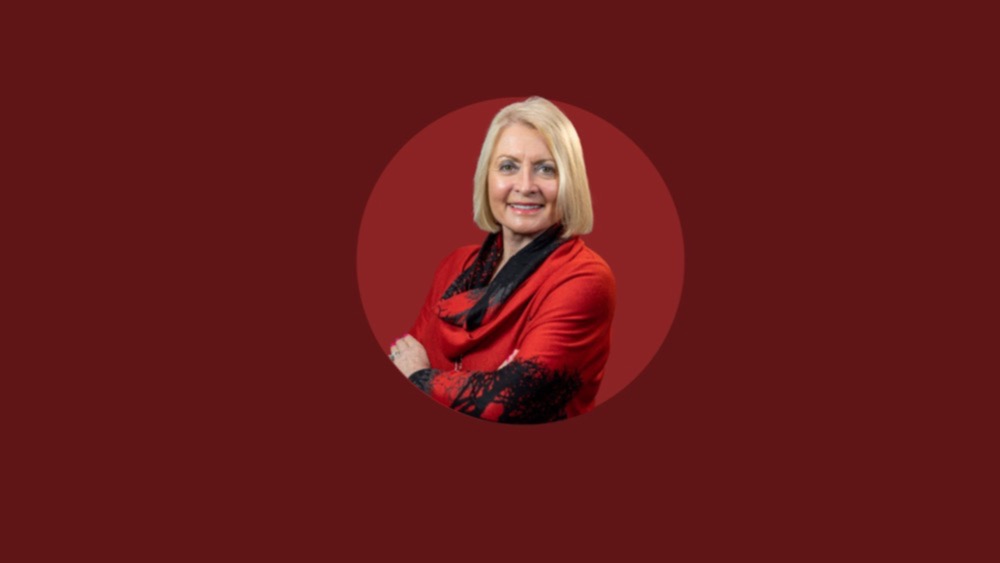

Businesses that prioritise diversity, equality, and inclusion must embrace intergenerational collaboration, which is essential for thriving in a competitive market, argues Sheila Flavell.
A multigenerational workforce is an asset, and companies must ensure that they include individuals from all age groups to remain competitive.
No one individual is the same and organisations must recognise and harness the unique skill sets of individuals from all demographics including Baby Boomers, Generation Xers, Millennials, and Generation Z to stay ahead of the curve. A recent Deloitte study found that 7 out of 10 organisations think multigenerational workforces are ‘very important for their success’.
Different generations bring different approaches to problem-solving that spur innovative thinking within organisations. Each generation can teach the other something new, creating workforces that are constantly learning, allowing them to grow and push boundaries.
 |
Get our essential weekday HR news and updates.
|

There is a huge pool of individuals looking to return to work after taking time off for reasons such as caring duties, health issues and redundancies, to name a few. As organisations pivot their recruitment strategies to fill the growing skills gap, it’s important not to overlook this latent talent pool with a wealth of skills and experience.
Why focus on returners?
While young people fresh out of education hold huge potential, older generations and returners – those looking to return to the workforce after a career break – should also be prioritised.
There is a significant opportunity to tap into this pool of talent which can help plug the prevailing skills gap with individuals who bring with them experience, skill, and knowledge from previous roles, making them an efficient route for recruiting.
The barriers that exist
Returners often face several challenges when returning to the workplace. The issue of ageism can act as a barrier, with some employers preferring younger, less experienced candidates. Research shows that 36 per cent of 50 – 69-year-olds feel at a disadvantage when applying for jobs due to their age.
Often, stereotypes and unconscious bias seep in which involves employers assuming that specific backgrounds or degrees are mandatory for a candidate’s eligibility for a role, harming both the candidate, and the company.
This explains why returners often lack confidence after a career break, with many fearing that their skills are outdated and no longer relevant. Being out of the game for a period of time can make individuals question their abilities, especially in a working world where trends are continuously changing at a rapid rate.
While fighting with the idea that their abilities are no longer relevant, returners often face additional pressures, finding themselves in the sandwich generation with personal responsibilities that young people often do not juggle, like dealing with childcare or elderly parents.
For an older person who has been out of the game for a while, returning to the workforce can be a daunting prospect with numerous barriers and pressures that present themselves making the transition that bit more difficult. However, with the right support, returners can be hugely beneficial to organisations, and ultimately, the nation.
Organisational support
To overcome these challenges, businesses can offer support and tailored training programmes to help returners refresh their skills and ease their transition back into the workforce. By recognising the transferable skills older generations hold, businesses can tap into pools of individuals who offer transferable skills that will help power their organisation.
One way that businesses can support returners is through training programmes which offer skills training, coaching, and mentoring, as well as flexible working arrangements to help individuals balance their work and personal commitments.
Encouraging cross-generational mentoring can promote a collaborative culture among a multi-gen workforce, easing a returner’s transition. For example, younger employees may have stronger digital and social media skills and can mentor senior colleagues who could be more experienced in stakeholder management and could impart industry knowledge. This reciprocal mentoring creates a culture of shared learning and unified growth.
Promoting multigenerational collaboration and teamwork will allow organisations to achieve diversity of thought, removing unwanted stereotypes and unconscious bias.
Returners can also boost their own confidence and upskill themselves through online resources like LinkedIn Learning, which offer free training and advice. This can help them to understand the skills they need to succeed in the professional world.
Businesses need to adopt and nurture a multigenerational workforce to remain competitive in today’s fast-paced business landscape. By recognising and valuing the transferable skills of individuals from different generations, businesses can create a diverse and inclusive work culture that fosters innovation, collaboration, and success, while plugging the ever-prevailing skills gap.
__
Sheila Flavell is COO of the FDM Group.


Amelia Brand is the Editor for HRreview, and host of the HR in Review podcast series. With a Master’s degree in Legal and Political Theory, her particular interests within HR include employment law, DE&I, and wellbeing within the workplace. Prior to working with HRreview, Amelia was Sub-Editor of a magazine, and Editor of the Environmental Justice Project at University College London, writing and overseeing articles into UCL’s weekly newsletter. Her previous academic work has focused on philosophy, politics and law, with a special focus on how artificial intelligence will feature in the future.
- Amelia Brand

- Amelia Brand

- Amelia Brand

- Amelia Brand



