


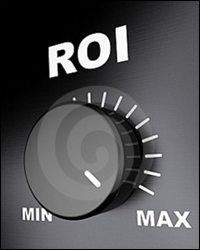
Organisations typically need new people to grow, but with resources stretched and permanent hires often impractical (or even frozen), interim managers are in strong demand. The fall of the management consulting industry has augmented that demand, but the conditions of engagement have changed. Across all industries, clients are demanding more accountability, and, ultimately, increased return on investment (ROI). But what is return on investment in interim management? In my experience, there are a number of areas where interim managers (and their suppliers, if you aren’t going direct) can boost their accountability and add value to the HR departments that they support. A lot of it is common sense, but that’s not to say it’s common practise.
 |
Get our essential weekday HR news and updates.
|

But before you even get your interim manager into the building, ensuring you get maximum value from interim management it starts right at the beginning of the hiring process – with the job description and role brief. It seems silly to mention something so simple, but in my experience a good tight brief is overlooked all too often, particularly in interim management hires where there is often extreme time pressure. My experience is that role descriptions (and the subsequent briefs), very rarely get the attention they deserve on the client side. That means the process is flawed right from the get-go: how will you find the person you need if you’re not entirely sure of what it is that you need them to do, or if you’ve just recycled an old interim role brief from a year or two ago? Has the job really stayed static in that time, while the organisation has changed so much? In the current environment of constant change at strategic and operational levels, that seems unlikely.
If you are engaging with interims directly, you’ll need to manage the role brief process yourself, but if you’re working through an interim management suppliers, they should be proactively taking charge of the brief. They need to be asking the right questions to find out exactly what the successful candidate needs to achieve in the short, medium and long terms, and how those goals align with the overall business strategy. They should also make a thorough exploration of your organisational culture, and the culture of the particular team and the stakeholder management environment the interim will fit within (or lead). It does take a real investment of your time to go through this process properly, but I guarantee it’s worth it – especially if your most senior stakeholders are engaged to give their input and are therefore committed to the interim assignment and its success.
Another piece of the puzzle is due diligence in the exploration of interim candidates. When most people think of due diligence, they immediately think of things like reference and credit checks. Those might be part of the process, but in fact due diligence should encompass a far wider set of pre-qualifying factors. In today’s environment, due diligence means a thorough exploration of the candidates background, experience and achievements, motivations, potential issues and personal situation, and their personality, preferences and styles, as well as mandatory referencing, CRB checks and even Financial Probity assessments as appropriate. Senior interim assignments have big remits, and a lot is riding on their success. Culture fit and stakeholder management skills, which I mentioned above, are arguably as important as technical competency in an interim assignment, but they are actually harder to measure, even in face to face interviews.
Once you’ve got the right interim, it’s very to ensure they have the performance management structure they need to succeed, as your permanent employees do. Like permanent staff, interim managers need you to help create the conditions for success. During the role brief and interview process, you will need to have defined success factors, and the way you’ll be measuring it, so the interim has a performance roadmap that they’re working to. The very best interims will set these themselves, but in reality the onus should be shared either with the interim management supplier that provided them, and/or with the HR department that engaged them. Interims generally sit outside organisational performance management structures, but I strongly believe that everyone needs some kind of performance management plan to achieve the best possible results – which is why we actually created our own online interim performance management platform that all of our client have access to.
There isn’t a magic formula for achieving increasing ROI through interim management, but there are some fairly quick wins, and most of them are fairly intuitive. Ensuring successful interim assignments represents a great chance for HR departments to demonstrate their own value at a time when it’s always important to have runs on the board.
Author
Raj Tulsiani
CEO
Green Park Interim & Executive Search


Pamela Flores is an events professional with experience at Symposium Events, a UK-based conference and events organization. She has worked in editorial and event coordination roles within the HR and expatriate management sector, contributing to the organization of major conferences including the Expatriate Management and Global Mobility conference. Her background spans online editorial work and events management within the professional conference industry.
- Pamela Flores

- Pamela Flores

- Pamela Flores

- Pamela Flores



