


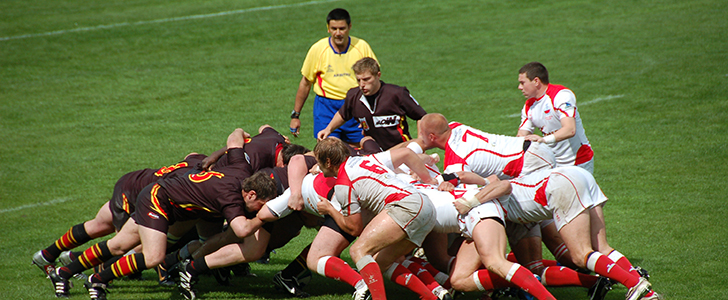

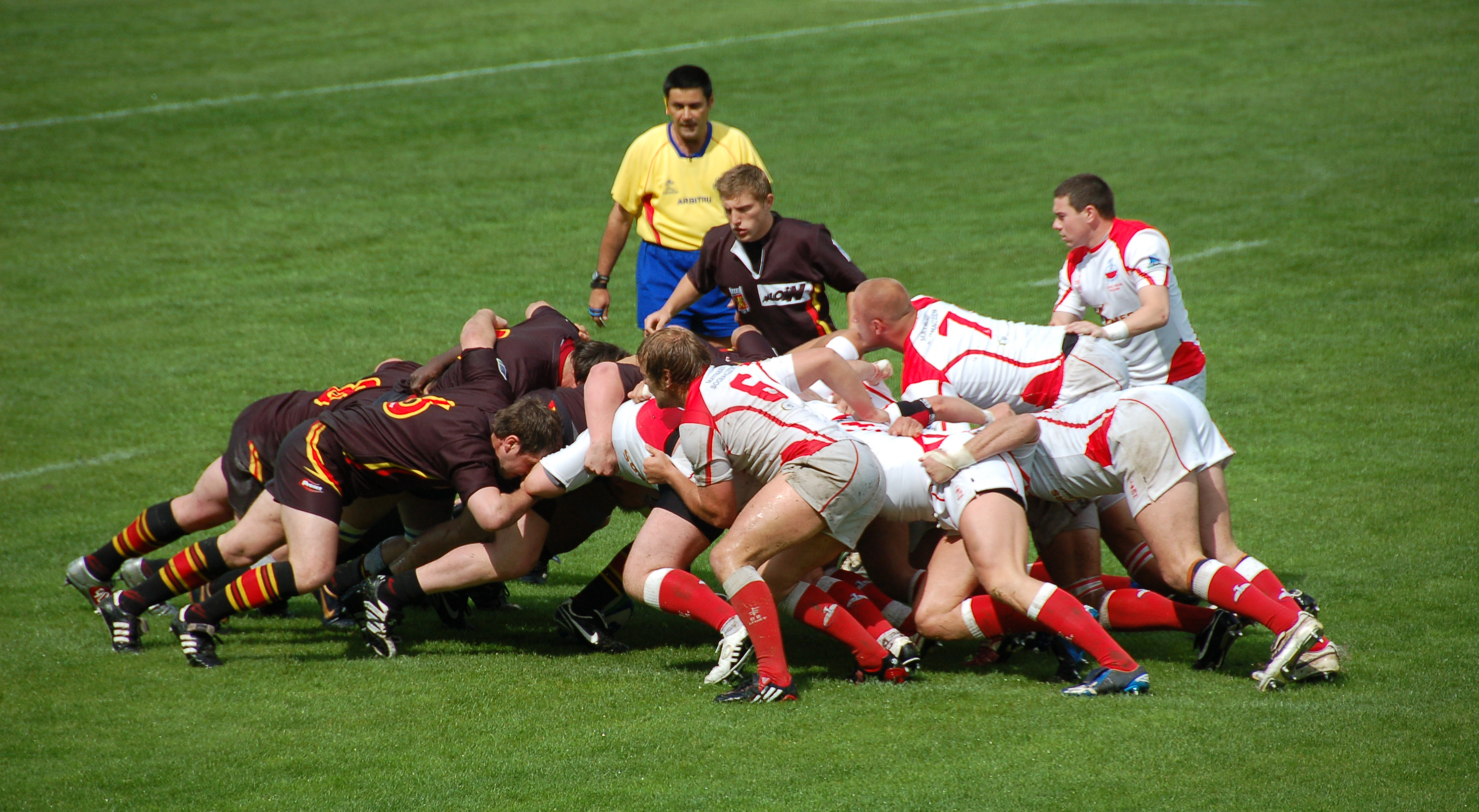
Unless you have buried your head in the sand for the last few weeks, you will know that the Rugby World Cup kicked off in September. The start of any major sporting event can pose various issues for employers, who are often concerned about the impact on their workforce and in turn, their productivity.
The core question for employers is how they approach the arrival of a major sporting event and to what extent they may accommodate employees’ desires to engage with the event during working hours.
Following the London 2012 Olympic Games, the Institute of Leadership Management published the results of a survey assessing the impact of the Games. It was reported that 65 percent of the UK businesses surveyed said that the Olympics were less disruptive than they expected. Almost half of the managers surveyed said that the Olympics had resulted in higher morale in the office and 18 percent of the organisations trialed flexible working arrangements during the Games.
Prepare or despair
It is important that employers consider the issues that major sporting events can pose in advance. Whilst there is no legal obligation on an employer to make any allowances during such events, permitting more flexible working arrangements could reduce unauthorised absence and generate significant goodwill among employees.
 |
Get our essential weekday HR news and updates.
|

Employers should consider work schedules ahead of time and ensure that adequate resources are available to them. Temporarily amending start and finish times to allow employees to watch events could reduce holiday requests and unauthorised absence. It may also reduce the effects of any travel disruption caused by the event.
Embrace the camaraderie
Employers could choose to take a strategic view of the event and use it as a team-building exercise to boost morale. Watching the event live in the office allows employees to keep up to speed with developments together and share the experience with their colleagues.
Companies can also consider arranging themed social events or themed work targets which could increase employee motivation and productivity. Relaxing dress codes to allow employees to wear themed merchandise can help to build the atmosphere and engage employees in the event.
However, employers should be careful not to assume that all employees have an interest in the sporting event without canvassing opinion. If employees do not want to be involved their wishes should be respected and employers should be careful to ensure that they are not made to feel isolated by the event.
Be clear on the rules
Employers should set out clear guidance for employees, particularly in relation to absence. It is not uncommon for employees to suffer match day (or post-match) sickness. It is important that the employers stance on absenteeism is reiterated prior to the start of the event and that employees understand the consequences of dishonestly claiming they are unwell.
Employees should also understand the boundaries in relation to the screening of any event in the office or at other venues, particularly if alcohol is provided. It is worth reminding employees to be respectful of other nationalities and cultures and that they are expected to drink alcohol responsibly.


Fiona McAnaw is Director and Head of the Employment Law Department at BTMK Solicitors Limited. She primarily assists businesses with all aspects of HR and Employment Law, in conjunction with internal human resources officers.


