
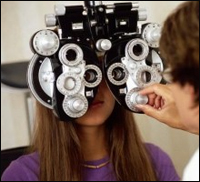
Employers play a vital role in wellbeing of employees

-

Figures released by Specsavers Corporate Eyecare indicate that employers play a vital role in the health and wellbeing of their employees, with at least 47 lives being saved in 2012 through routine visits to Specsavers’ opticians.

Highlighting the far-reaching benefits of a simple eyecare policy, it said that all of the 47 individuals were simply visiting their optician to have their eyesight checked and in each case, the routine process led to the detection of a life-threatening condition, which was subsequently successfully treated.

Laura Butler, Corporate Account Manager at Specsavers Corporate Eyecare, says:

“Virtually every employee is entitled to company-funded eyecare under health and safety regulations. The number of lives saved by routine eye examinations just goes to show how vital it is for employers to provide this benefit and for employees to make use of the provision.”

Get our essential weekday HR news and updates.

This field is for validation purposes and should be left unchanged.
Keep up with the latest in HR...
This field is hidden when viewing the form
Optin_date
This field is hidden when viewing the form


In terms of being provided with eyecare, employees who use a computer screen, drive for work purposes or require PPE, should all be provided, which therefore leaves very few employees not covered.

Specsavers Corporate Eyecare says that although some people may feel that their vision itself is not an issue, there are much wider benefits to eyecare. It stresses that digital retinal screening is an important element in preventative care and allows the optometrist to detect and monitor the many serious illnesses and health conditions, including:

  • diabetes
  • various heart conditions
  • cancers of the eye, such as melanomas
  • brain tumours
  • high cholesterol
  • detached retina
  • hypertension (high blood pressure)
  • glaucoma

It also explained that the benefits are felt by the employer, with the Office of National Statistics stating, for example, that 500,000 working days are lost each year through diabetes and 4,500,000 days are lost through heart and blood pressure-related conditions.

Latest news

Martin Johnson: Why the Employment Rights Act marks the end of informal management

It’s crucial that organisations quickly realise the Employment Rights Act isn’t solely a legal change. In effect, it marks the end of informal management.

Unpaid wage claims ‘hit eight-year high’ as business failures rise

Rising insolvencies are leaving growing numbers of workers unpaid as HR teams face mounting legal risks around rushed redundancies and delayed wages.

Employers urged to rethink race for chief AI officers

Companies are being warned against rushing to appoint chief AI officers before establishing the systems and leadership structures needed to support them.

Building workforce skills for AI performance

AI is changing the way work gets done—but most organisations still lack a clear plan for building AI-ready teams.
- Advertisement -

UK risks ‘lost generation’ as youth unemployment crisis deepens

A major review warns that Britain could face a “lost generation” as youth unemployment and economic inactivity continue rising.

‘Delighted to be wrong about jobs apocalypse’, says OpenAI boss Altman

The OpenAI chief executive said human interaction remained far harder to replace than many technology leaders first predicted.

Must read

Lucinda Bromfield: Increasing the qualifying period for unfair dismissal claims?

The Government has said that it is considering increasing...

Alex Voakes: Flexible working isn’t just an office perk – it’s a public health necessity

It’s a sight which has become depressingly familiar: the overworked employee eating at their desk, skipping the opportunity to go for a walk.
- Advertisement -

You might also likeRELATED
Recommended to you
