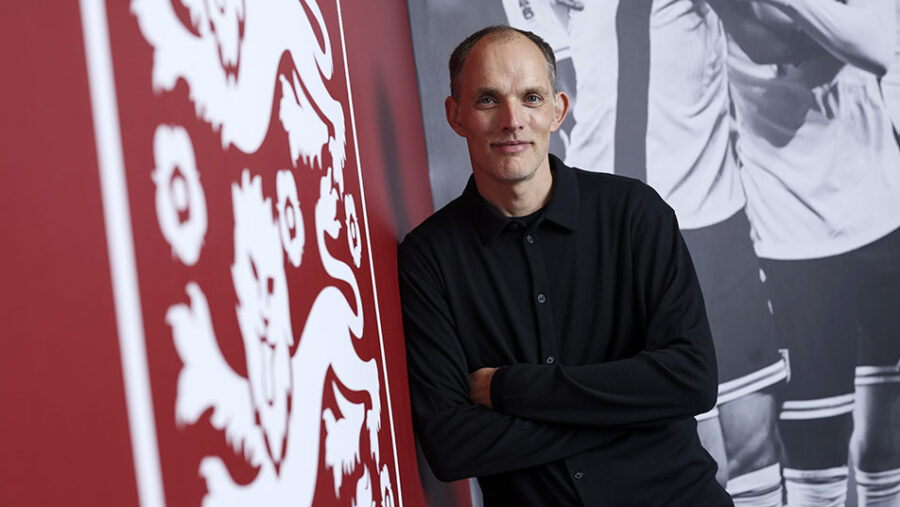

As England prepare to begin their World Cup campaign this week, employment lawyers are urging employers to plan ahead for annual leave requests, flexible working arrangements and potential attendance issues during the tournament.
While most matches in the 2026 FIFA World Cup are being played outside normal UK working hours, experts say employers could still face challenges as staff seek time off, request shift changes or arrive at work tired following late-night fixtures.
A pragmatic approach that balances operational needs with employee engagement is likely to be more effective than strict enforcement alone, particularly as organisations look to maintain morale during one of the world’s biggest sporting events.
The advice comes amid signs that employers could face attendance challenges during the tournament. Research by brewing company Allsopp’s found that one in five UK workers plan to call in sick after at least one World Cup match, while 36 percent said they expected to work from home rather than take annual leave following late-night games.
 |
Get our essential weekday HR news and updates.
|

Leave requests should be handled consistently
Employment lawyers have reminded employees that they do not have an automatic right to take annual leave at a specific time, particularly at short notice.
Elizabeth Maxwell, senior associate solicitor at law firm Morr & Co, told HRreview that employers could refuse requests in line with workplace policies, contractual arrangements and the Working Time Regulations.
“With major sporting events like the World Cup, it is common to see a spike in annual leave requests and, occasionally, unexpected absences.”
She said organisations should avoid making assumptions if employees call in sick around major fixtures.
“If an employer suspects that an employee has falsely called in sick to watch a match (or recover from one!), then this can be treated as a potential disciplinary which most employers will treat incredibly seriously.”
Maxwell said employers should investigate concerns fairly and follow their normal sickness absence and disciplinary procedures rather than jumping to conclusions.
The advice comes as employers prepare for a tournament that could place additional pressure on staffing levels, particularly in customer-facing sectors where large numbers of workers may want time off at the same time.
Flexibility can help maintain morale
While organisations have the right to manage leave requests, legal experts say flexibility can help maintain employee relations during major sporting events.
Nicole Humphreys, partner at law firm Mayo Wynne Baxter, said requests for time off should be handled fairly and consistently.
“The … World Cup is a major sporting event for many people and requests for time off should be handled fairly and consistently.”
She said employers could consider practical measures such as shift swaps, flexible hours, late starts, early finishes or allowing employees to make up time later.
“In reality, the World Cup is an exciting time for many employees, and employers may wish to offer flexibility to boost morale and employee relations.”
Humphreys suggested employers consider issuing temporary guidance covering leave requests, attendance expectations, streaming and internet use, social media conduct and any rules relating to alcohol consumption during working hours.
She also warned against creating arrangements that could be perceived as favouring football fans over other employees.
“Not everyone follows football so employers should avoid perks that favour one group, for example paid time for matches, unless they provide equivalent options for others to avoid unfairness.”
Wider wellbeing considerations
The legal advice follows separate warnings earlier this week that employers should remain alert to gambling-related harms during the tournament, particularly as major sporting events can drive increased betting activity.
Experts have encouraged managers to be aware of changes in behaviour that could indicate financial stress or gambling-related problems, while ensuring employees know what support is available.
For many organisations, the challenge over the coming weeks will be balancing enthusiasm for one of the world’s biggest sporting events with the need to maintain fairness, productivity and consistent workplace standards.


William Furney is a Managing Editor at Black and White Trading Ltd based in Kingston upon Hull, UK. He is a prolific author and contributor at Workplace Wellbeing Professional, with over 127 published posts covering HR, employee engagement, and workplace wellbeing topics. His writing focuses on contemporary employment issues including pension schemes, employee health, financial struggles affecting workers, and broader workplace trends.
- William Furney

- William Furney

- William Furney

- William Furney