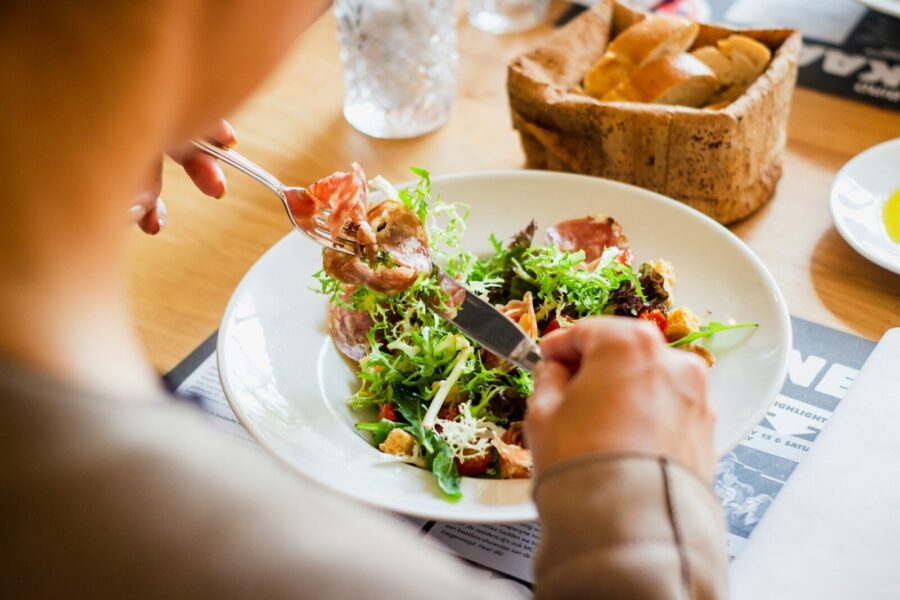

Desk-bound sandwiches and hurried bites are officially on the way out. A new report released in collaboration with a chartered workplace psychologist reveals that employees, particularly younger ones, are rewriting the lunch rulebook, transforming it from a rushed snack into a social and wellbeing rallying point.
This eye‑opening More Than a Meal report, by delivery app Just Eat for Business, is the result of surveying over 2,000 British workers and finds that 56 percent of Gen Zers take their full lunch break. That compares with only 36 percent of Gen X and a mere 22 percent of Baby Boomers, showing that the lunch break is clearly undergoing a generational renaissance.
Bringing lunch back with flair
No one wants to admit that the snack cruellest to morale is the one eaten under fluorescent lights while trying to reply to a dozen emails and feeling like a human pretzel. Just Eat for Business Managing Director Matt Ephgrave said “[w]e’re seeing a significant shift in lunch break habits, moving away from hurried, isolated desk dining toward intentional moments of rest and social connection”.
It’s a fancy way of saying the office desk is not a dining table.
 |
Get our essential weekday HR news and updates.
|

New data backs this up. A study by University College London found that people who share meals report higher life satisfaction and wellbeing. On a scale from 0 to 10, those who ate with others scored, on average, one point higher, comparable to having a higher income or being employed, and arguably way tastier.
“While remote work offers flexibility, it’s equally important to make sure daily, informal interactions like sharing a meal with colleagues is encouraged when people are in the office,” said Ephgrave. “These shared interactions play a vital role in fostering workplace camaraderie and mental wellbeing. This simple yet powerful ritual remains a key ingredient in building stronger teams and boosting overall job satisfaction.”
UK lunch breaks are still, er, bite‑sized
But why the shift now? It’s not like Brits have suddenly become more polite about plate sharing. In fact, a study by Compass Group shows the typical UK worker manages barely 33 minutes for lunch, and nearly half dine alone.
Meanwhile, other surveys reveal that around 40 percent of employees skip lunch altogether, often because of deadlines or workload pressures. That is not a sustainable culture, nor a way to feel valued.
Several lines of research point to a clear business case for better lunch policies. Workers who take breaks show higher engagement, reduced burnout and greater loyalty. One door‑to‑door delivery platform even shows employee satisfaction jumps from 78 percent to 91 percent with meal support.
Shared meals make teams happier too. The 2025 World Happiness Report ties communal eating to better colleague relationships and stronger workplace bonds. That feeling of “we’re in this together” can also be a driver of performance.
And let’s not forget that happy staff are productive staff. One UK study found that happier workers are about 13 percent more productive, so making people feel better at lunch isn’t just food for thought; it’s food for business.
“Food is a need that represents far more than sustenance in the workplace. It’s a fundamental building block of human connection and organisational culture,” said chartered psychologist Dr Audrey Tang, in commenting on the survey.
A recipe for HR success
So what should forward‑thinking HR teams be cooking up beyond tinned tuna and sad desk salads?
Encourage shared lunchtime rituals — whether communal tables, group order-and-eat sessions or even occasional platters. It helps break down hierarchy and promotes casual collaboration.
Fight the guilt. Gen Z especially feels weird for taking time off the job, as nearly half have skipped lunch due to guilt, despite 98 percent acknowledging its importance for wellness.
Reframe workplace benefits. Treat lunch as a strategic perk, not a cost. Providing meals can reduce stress, increase appreciation and build loyalty.


William Furney is a Managing Editor at Black and White Trading Ltd based in Kingston upon Hull, UK. He is a prolific author and contributor at Workplace Wellbeing Professional, with over 127 published posts covering HR, employee engagement, and workplace wellbeing topics. His writing focuses on contemporary employment issues including pension schemes, employee health, financial struggles affecting workers, and broader workplace trends.
- William Furney

- William Furney

- William Furney

- William Furney